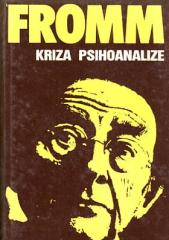
Veličina i granice Freudove misli

Fromm setzt sich kritisch mit dem Vermächtnis Freuds auseinander: Er würdigt dessen revolutionäre Methode zur Aufdeckung des Unbewussten, stellt jedoch zugleich dessen mechanistisches, patriarchales und pessimistisches Menschenbild infrage.
Das 1979 als eines von Fromms letzten Werken veröffentlichte Buch Greatness and Limitation of Freud's Thought (dt. Größe und Grenzen der Freudschen Psychoanalyse) bietet eine tiefgründige und zugleich wohlwollende Neubewertung der psychoanalytischen Theorie durch einen ehemaligen Anhänger, der sich später vom orthodoxen Freudismus distanziert hatte. Fromm versucht, den bleibenden Wert von Freuds Entdeckungen von den dogmatischen und veralteten Elementen seines Denkens zu trennen.
Zu den zentralen Themen des Buches gehören:
Freuds Größe: Fromm würdigt Freud als einen der bedeutendsten Denker der Moderne – als einen Mann, der den Kontinent des Unbewussten entdeckte, die Illusion menschlicher Rationalität entlarvte und die Methode der freien Assoziation entwickelte, die Einblicke in die tieferen Schichten der Psyche ermöglichte.
Grenzen und Fehlannahmen: Er kritisiert Freuds mechanistischen und energetischen Ansatz (die Betrachtung der Libido als hydraulisches System), seinen biologischen Reduktionismus sowie die Vernachlässigung des Einflusses sozialer und ökonomischer Strukturen auf die Charakterentwicklung.
Ablehnung einer patriarchalischen und pessimistischen Sichtweise: Fromm hinterfragt Freuds Pessimismus hinsichtlich des menschlichen Schicksals, seine Annahme einer universellen Gültigkeit des Ödipuskomplexes im wörtlichen Sinne sowie seine patriarchalischen Voreingenommenheiten – insbesondere sein Unvermögen, die spezifische Psychologie der Frau zu verstehen.
Das Werk bietet eine überzeugende Synthese aus Psychoanalyse und Sozialpsychologie und zeigt auf, wie sich Freuds Theorie aus den engen Grenzen des 19. Jahrhunderts lösen und an die humanistischen Bedürfnisse der Moderne anpassen lässt.
Angeboten wird ein Exemplar