Miroslav Krleža
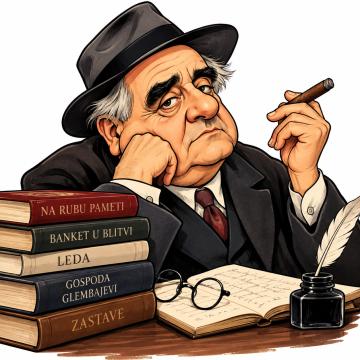
Miroslav Krleža (7. srpnja 1893. – 29. prosinca 1981.) bio je jedan od najvažnijih hrvatskih književnika 20. stoljeća – pjesnik, romanopisac, dramatičar, esejist i enciklopedist. Rođen je u Zagrebu, školovao se u Austro-Ugarskoj vojnoj akademiji, ali se brzo posvetio književnosti i intelektualnom djelovanju. Bio je snažan kritičar društvene nepravde, malograđanštine i političkog oportunizma, što je obilježilo velik dio njegove literature.
Njegov opus obuhvaća širok spektar žanrova. Ističu se romaneskni ciklus o Glembajevima (Gospoda Glembajevi, U agoniji, Leda), te epski roman Povratak Filipa Latinovicza (1932). Pisao je i eseje, dnevnike, kritike, enciklopedijske članke te pjesme poput onih iz zbirke Pan.
Krležin stil obilježen je bogatim vokabularom, složenom rečenicom, intelektualnom dubinom i ironijskim distanciranjem. Bio je ključna figura u hrvatskoj kulturi i jedan od osnivača Leksikografskog zavoda (danas LZ Miroslav Krleža). Unatoč političkim pritiscima, ostao je vjeran intelektualnoj autonomiji.
Krležino nasljeđe neizostavno je u hrvatskom kanonu i nezaobilazno u razumijevanju moderniteta i povijesne sudbine Hrvatske i srednje Europe.
Naslovi u ponudi
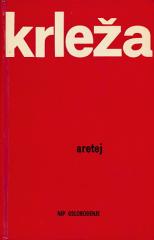
Aretej
Kroz paralelne sudbine lekara iz davnih vremena i onog savremenog, pozno dramsko delo Miroslava Krleže analizira motiv intelektualca rastrgnutog između političke represije, ratnih strahota i sopstvene savesti.
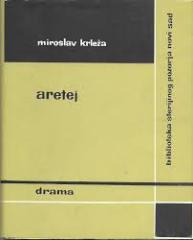
Aretej: drama
Krleža's drama with an extensive afterword by Branko Hećimović, biobibliographic contributions by Slavko Batušić and photos of scenes from "Areteja" performed by the National Theater, Belgrade.
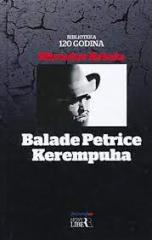
Balade Petrice Kerempuha
Miroslav Krleža's greatest poetic achievement and one of the most important works of Croatian literature. The ballads combine satire, irony, and lyrical-folkloric tones in a condemnation of violence and stupidity of government throughout the centuries.
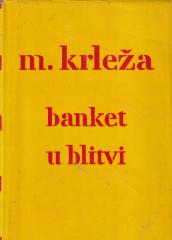
Banket u blitvi: Roman u tri knjige
The plot is set in Blitva, a fictional country in northeastern Europe, which after centuries of foreign rule and political instability became an independent state under the dictatorial rule of the cruel Lieutenant Barutanski.
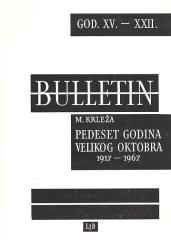
Bulletin - Pedeset godina Velikog oktobra 1917. - 1967.
In “Fifty Years of the Great October 1917–1967,” Miroslav Krleža writes about the October Revolution from the perspective of a writer who is ideologically close to it, but who never agreed with its transformation into a system of rigid truths.

Članci i polemike 1: Ratne teme
A collection of Krleža's journalistic texts, commentaries and analyses written during and immediately after World War I, important for understanding his intellectual development and the basis for his later works.
Članci i polemike 2: Sa uredničkog stola
The collection Articles and Polemics 2: From the Editorial Desk includes essays, criticisms, and polemical texts written during Krleža's engagement as editor of various literary magazines, such as Književna republika and Pečate.
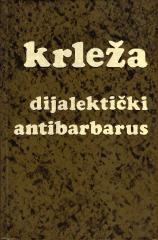
Dijalektički antibarbarus
Krleža's most famous polemical text, in which he sharply attacks dogmatic vulgar Marxism and bad tendentious literature within the left, defending artistic freedom and intellectual autonomy. The culmination of the conflict on the literary left.
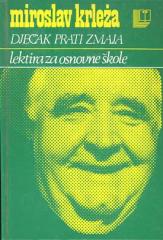
Dječak prati zmaja
„Der Junge folgt dem Drachen“ ist ein Buch, das uns auf eine fantastische Reise mitnimmt und uns dazu ermutigt, anders über das Leben und die Welt nachzudenken.
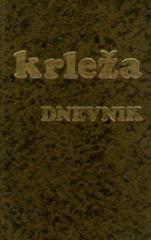
Dnevnik 1: Dnevnik 1914 - 17 (Davni dani I)
Das Tagebuch aus den Jahren 1914–17 dokumentiert Krležas Schriften aus der Zeit des Ersten Weltkriegs: persönliche Dilemmata, Pazifismus, Konflikte mit dem Militarismus der Monarchie und intellektuelle Reifung in den Jahren des Zusammenbruchs der alten We