August Šenoa
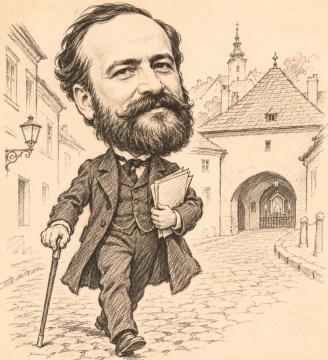
August Šenoa (1838–1881), a Croatian writer, poet, novelist, critic, and editor, was born on November 14, 1838, in Zagreb, where he died on December 13, 1881. He is considered the founder of the modern Croatian novel and one of the most significant writers in 19th-century Croatian literature. The period of his activity is known as the Šenoa Era, marked by the flourishing of realist prose and the strengthening of national literature.
He was educated in Zagreb, Pécs, and Prague, where he studied law and became acquainted with European literary and political ideas. Upon returning to Zagreb, he worked as a journalist, theater critic, dramaturg for the Croatian National Theatre, and city senator. From 1874 until his death, he edited the literary magazine Vienac, which, under his leadership, became the focal point of Croatian literary life.
He gained literary renown with the historical novel Zlatarovo zlato (The Goldsmith's Gold, 1871), which is considered the first Croatian historical novel. In it, he depicts 16th-century Zagreb, weaving a love story together with social conflicts and historical events.
This was followed by the novels Čuvaj se senjske ruke (Beware the Hand of Senj, 1875), Seljačka buna (Peasant Revolt, 1877), and Diogenes (1878), in which he explores the relationship between the individual and history, national identity, social injustice, and the struggle for freedom. His final novel, Kletva (The Curse), remained unfinished.
Notable among his short stories are Prijan Lovro (1873), Prosjak Luka (1879), and Branka (1881)—works that offer realistic portrayals of social relations, poverty, education, and the individual's position in society. He also wrote poems, feuilletons, theater reviews, and literary essays.
Šenoa advocated for literature close to the people—literature capable of simultaneously educating, entertaining, and fostering social progress. His style is characterized by vivid characters, dynamic plots, historical authenticity, and a clear moral message.
Through his novels, short stories, and editorial work, he laid the foundations of Croatian realist literature and profoundly influenced the development of national culture and the reading public.
Titles in our offer
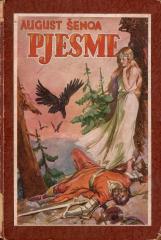
Pjesme II – Epske pjesme
The book 10 Collected Works brings together Šenoa's most significant epic and ballad poems. Patriotic, historical and legendary themes, heroic motifs and dramatic stories in verse – from medieval events to folk tales.
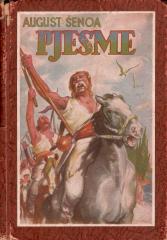
Pjesme I – Lirske pjesme, Prigodnice, Šaljive pjesme, Epigrami
Book 9 of the Collected Works of August Šenoa brings a selection of his most significant poetry. From romantic and patriotic lyrical poems to occasional poems to witty humorous poems and sharp epigrams – all in Šenoa's recognizable style.
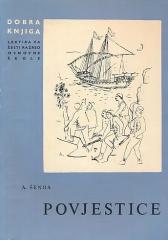
Povjestice
An anthology of narrative poems in which Šenoa blends folk legends, historical lore, and patriotic themes, offering readers powerful moral lessons on the struggle between good and evil.
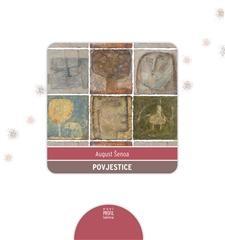
Povjestice
The collection includes the following short stories: "The Shoemaker and the Devil", "The Stone Wedding", "The House of the Kug", "The Fall of Venice" and "The Death of Petar Svačić", with which this famous writer occupies a special place in the history of


Pripovijesti I.: Ljubica - Turopoljski top - Blijedi mjesec - Do tri puta Bog pomaže - Dusi narodne straže - Prijan Lovro - Lijepa Anka

Prosjak Luka
An abandoned child grows into a beggar and moneylender whose unrequited love for Mara deepens his personal tragedy. Šenoa explores social injustice, rejection and the struggle for human dignity.
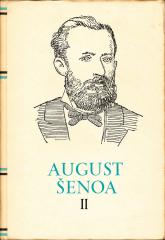
PSHK #40: August Šenoa II - Seljačka buna
August Šenoa's historical novel portrays the Croatian Peasant Revolt of 1573, following Matija Gubec and the struggle of oppressed serfs against feudal tyranny, injustice, and aristocratic violence.