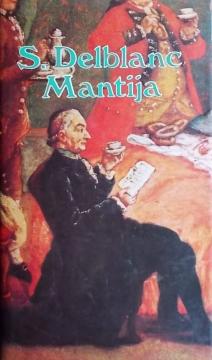
Mantija
U Nemačkoj 1784. godine, odbegli sveštenik sa uništenim očima i dvometarski džin koji privlači oba pola putuju kao neočekivani prijatelji. Roman prati njihove avanture, susrete i egzistencijalne sukobe u jednom turbulentnom istorijskom periodu.
Ogrtač (1981) Svena Delblana je herojska priča smeštena u Nemačku 1784. godine, tokom prosvetiteljstva i društvenih previranja. Glavni likovi su dva veoma kontrastna lika koja putuju zajedno: odbegli sveštenik – intelektualac sa propalim, upalim očima i dubokim duhovnim ranama, i gigantski, dvometarski div čiji izgled podjednako magnetno privlači muškarce i žene. Njihovo prijateljstvo i zajedničko lutanje nemačkim selom postaju okvir za istraživanje osnovnih tema Delblanovog opusa: vera i neverovanje, greh i iskupljenje, ljudska fizička priroda naspram duhovnosti, moć i poniženje.
Roman pripada žanru istorijskog romana, ali sa izrazito modernim, gotovo grotesknim i vizionarskim elementima karakterističnim za Delblana. Autor koristi baroknu, bogatu jezičku teksturu i ironičan ton da prikaže apsurd postojanja, licemerje društva i crkve tog vremena. Sveštenik beži od svoje prošlosti i verskih dužnosti, dok div simbolizuje sirovu, životinjsku životnu snagu i erotsku ambivalentnost. Njihovi susreti sa raznovrsnim likovima – od seljaka i prostitutki do gospodara i ludaka – otkrivaju širok spektar ljudskih strasti, nasilja i čežnje za smislom.
Delblan majstorski kombinuje realističan prikaz 18. veka sa filozofskim i egzistencijalnim pitanjima, često uvodeći elemente mita i groteske. Mantija nije samo avanturistički roman, već duboka meditacija o ljudskoj prirodi, tihom Bogu i mogućnosti (nemogućeg) bratstva u svetu punom kontradikcija.
Jedan primerak je u ponudi
- Požuteli listovi