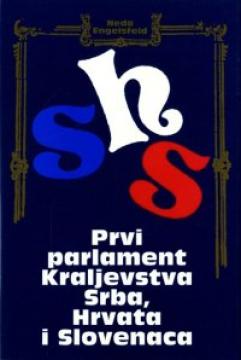
Prvi parlament Kraljevstva Srba, Hrvata i Slovenaca - Privremeno narodno predstavništvo
One copy is available
- The cover is missing

One copy is available
Are you interested in another book? You can search the offer using our search engine or browse books by category.
The author explores why Tito remains a popular symbol of stability, social security and independence, despite critical views of his regime. The book maps the cultural, political and everyday manifestations of "Titostalgia".
The autobiographical work of Croatian communist activist Vladimir Novak, a survivor of the Ustasha camps, follows his memories of resistance to fascism during World War II.
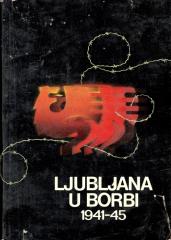
The book has a scientific-documentary character and is often used as a source in the study of political history and social movements in the former Yugoslavia.
The philosophical and theoretical study by a Bosnian-Herzegovinian author analyzes how the war in Bosnia and Herzegovina from 1992 to 1995 was a biopolitical project of creating a "pure" national body through the systematic killing, expulsion, and rape of
The author presents the political and ideological legacy of King Aleksandar I Karađorđević the Unifier. The book, published immediately after the king's death, is an attempt to preserve and transmit his political ideals to future generations.
The book depicts the development of a Bosnian bey family that, throughout the 19th and 20th centuries, transformed from a landowning family into a modern bourgeois family, reflecting broader social changes in Bosnia and Herzegovina.