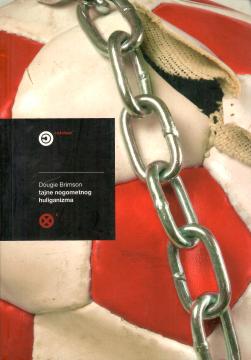
Tajne nogometnog huliganizma: Kako se mijenjala slika nogometnog nasilja
A sharp analysis of the phenomenon of football hooliganism. A historical overview from the beginnings to the 2000s, the causes, methods, organization of groups, police measures and why violence persists despite bans. An honest, controversial inside look.
It is a classic work by a British author and former fan/hooligan who became the world's most famous chronicler. Brimson (b. 1959, ex-RAF) writes sharply, honestly and without embellishment – from an "inside" perspective, but with distance. The book provides a historical overview: from the early incidents in the 19th century and the 1960s/70s (the beginning of organized "firms"), through the peak of the 80s (Heysel 1985, Hillsborough 1989), to the changes after the Taylor report, CCTV, travel bans and new forms of violence in the 2000s.
The author elaborates on the causes (class conflicts, tribalism, adrenaline, alcohol, rivalry), methods (organized meetings, "off" clashes outside the stadium, infiltration, mobile phones), group structure ("companies" such as ICF West Ham, Headhunters Chelsea) and how hooliganism has adapted to repression (from open battles to secret agreements). He emphasizes in particular that hooliganism is not just "problematic youths" - but often adults, working people for whom it is a "hobby" and identity.
The book criticizes the media (which sensationalize), the police (which sometimes exaggerate) and the clubs (which profit from passion, but condemn violence). Brimson argues that hooliganism has not disappeared - it has only changed and become more sophisticated. The style is direct, cynical, full of anecdotes and "inside" insights - not an academic study, but a provocative confession/analysis.
One copy is available