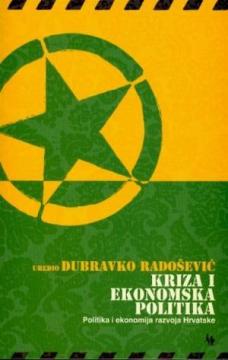
Kriza i ekonomska politika
The works of the best Croatian economists in the field of politics and economics of economic development in Croatia were presented.
The global economic and financial crisis has caused a worldwide reexamination of the prevailing economic theory and has brought political economy back into the focus of research, as a science that combines economics and politics. The relevance of political economy is even greater in the so-called transition countries, which – in addition to the current crisis – must also deal with the problems of rapid growth of their national economies and convergence with the economies of the European Union. However, the main goal of transition and accelerated development is the construction of a new economic system and new social relations. As Slavoj Žižek said, neoliberalism as an economic theory died in the 21st century with the financial crisis of 2008. Unfortunately, these modern trends have not yet found their reflection in Croatia. Economic neoliberalism, which was accepted by all political elites in Croatia at the beginning of the process of building a market economy in the 1990s, is the cause of the failed transition, which we still feel today. The sources of the current crisis were set at that time. Deregulation and liberalization encouraged non-transparent and immoral privatization, and deepened the crisis in Croatia. Economic neoliberalism and inappropriate economic strategies applied by all Croatian governments and the Croatian National Bank are the cause of the 'delayed transition' and crisis in Croatia. From 2000 to 2010, the application of such a neoliberal social and economic model - based on consumption and excessive borrowing abroad - continued, which led to a structural crisis of Croatian society and economy, which was only deepened by the global crisis. Such developments did not come as a surprise to the part of economic science in Croatia. Certain economists predicted such developments in time.
One copy is available