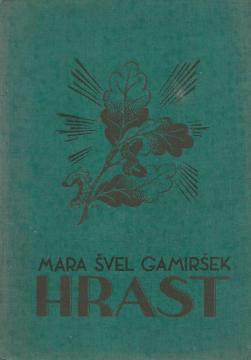
Hrast
Der politische Roman schildert die Zeit von 1915 bis zum Beginn des Zweiten Weltkriegs in der Region Šokac Posavina. Anhand der Schicksale einfacher Menschen und Familien werden historische Umbrüche, nationale Unruhen, Kriegsleid und die Verbundenheit des
Mara Švel-Gamiršek (1900–1975), eine bedeutende kroatische Schriftstellerin Šokacischer Herkunft, veröffentlichte 1942 ihren Roman „Hrast“ im Verlag Matica Hrvatska. Das Werk bildet den zentralen und ambitioniertesten Teil ihres sogenannten Šokac-Zyklus (neben „Šuma i Šokac“, „Portrete nepoznatih žena“ und dem späteren Roman „Ovim šorom Jagodo“).
Der Roman setzt die Ereignisse von „Šuma i Šokac“ chronologisch fort und schildert das Leben in slawonischen Dörfern (in der Region um Županja, Posavina und Cvelferija) vom Ersten Weltkrieg über das Königreich Jugoslawien bis kurz vor dem Zweiten Weltkrieg. Die Autorin verknüpft meisterhaft die persönlichen Schicksale einfacher Šokac-Bewohner mit bedeutenden historischen Ereignissen – Kriegen, politischen Umbrüchen, nationalen Unruhen und sozialen Krisen.
Der Titel Hrast symbolisiert die Stärke, die Wurzeln und die Standhaftigkeit des slawonischen Mannes und seiner Heimat. Švel-Gamiršek betont die tiefe Verbundenheit zwischen Mensch und Landschaft, und lyrische Naturbeschreibungen stehen oft im Kontrast zu dramatischen historischen Umbrüchen. Der Roman ist realistisch mit lyrischen Passagen, reich an Šokakischem Dialekt und Folklore, und legt den Schwerpunkt auf moralische Stärke, Familienwerte und die Widerstandsfähigkeit der einfachen Bevölkerung.
Kritiker bezeichnen ihn als politischen Roman, da er einen umfassenden Überblick über die kroatische Geschichte des 20. Jahrhunderts aus Šokakischer Perspektive bietet. Der Stil ist zugänglich, warmherzig und erzählerisch, mit einer betonten spirituellen und menschlichen Dimension.
Eiche gilt als einer der erfolgreichsten Romane zum Thema Šokak in der kroatischen Literatur. Nach 1945 geriet es aus ideologischen Gründen in Vergessenheit, wird heute aber wieder als wichtiges Zeugnis slawonischer Identität, Tradition und der historischen Traumata des 20. Jahrhunderts geschätzt. Die antiquarische Ausgabe ist selten und begehrt.
Jedan primerak je u ponudi