Suha giljotina: Život kažnjenika u Gvajani
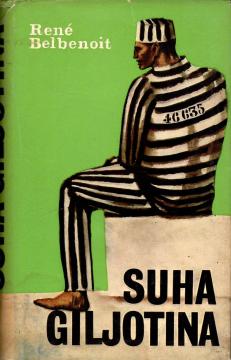
The Dry Guillotine is an autobiographical work by René Belbenoît in which the author gives a direct and moving account of life in the French penal colony in Guyana. The author, Prisoner No. 46,635, describes a system that does not kill all at once, but slowly - through hunger, disease, forced labor, isolation, and systematic humiliation. The book is a moving testimony to the penal apparatus, but also to the dark side of French colonialism, which transformed distant overseas territories into spaces of punishment, exploitation, and social elimination of undesirables.
The work is written in the context of the first half of the 20th century, when European colonial powers still maintained violent forms of rule over overseas possessions. French Guiana is presented in this perspective not only as a prison colony but also as the edge of the Empire where state power was exercised without real public control. Belbenoît describes from the inside the brutality of a system that deprives prisoners of their freedom, identity, and dignity, so the book acts as both a personal memoir and an indictment of colonial repression.
Upon publication, the work attracted attention precisely for its authenticity, documentary credibility, and shocking depiction of convict life. It was read as a testimony, an adventurous confession, and social criticism, and contributed to a wider public interest in the inhumane conditions in French penal colonies. This is why The Dry Guillotine remains important both as a literary document and as a historical reminder of the violence of the colonial order.
One copy is available