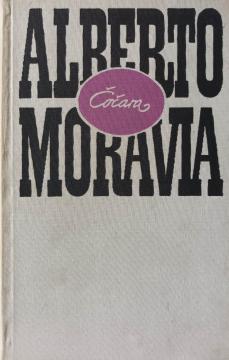
Čočara
Udovica Čezira i njena ćerka Rozeta beže iz bombardovanog Rima u svoju rodnu Čoćariju, gde doživljavaju glad, strah i bedu. Oslobođenje donosi tragediju: Rozetu siluju marokanski vojnici, uništavajući njihovu veru u Boga i ljude.
Sluškinja je jedan od najmoćnijih ratnih romana Alberta Moravije, objavljen 1957. godine, delimično zasnovan na njegovim sopstvenim iskustvima bekstva iz Rima 1943–1944. sa Elzom Morante. Priča je ispričana u prvom licu iz perspektive Čezire, snažne, pragmatične udovice iz Čočarije (regiona južno od Rima, poznatog po siromaštvu i seljačkim korenima), koja vodi malu prodavnicu u Rimu da bi preživela.
Čezira želi da zaštiti svoju osamnaestogodišnju ćerku Rozetu, lepu, pobožnu i naivnu devojku. Kako se rat približava Rimu (savezničko bombardovanje, nemačka okupacija), Čezira ušiva novac u haljinu i beži sa ćerkom na selo, u svoje rodno selo Valjekorsa. Tamo se susreću sa glađu, hladnoćom, seljačkim sebičnim životom i haosom rata. Upoznaju Mikelea, idealističkog antifašistu koji pokušava da probudi seljake, ali bezuspešno. Provode devet meseci u planinama, krijući se, gladujući i čekajući saveznike.
Oslobođenje 1944. godine donosi najveću tragediju: na povratku u Rim, Rozetu brutalno siluje grupa marokanskih gumijera (savezničkih vojnika u francuskoj vojsci) – stvarni istorijski događaj poznat kao marokinat. Čin uništava Rozetinu nevinost i veru; ona tone u očaj, postaje promiskuitetna i postaje prostitutka. Čezira gubi veru u ljude i Boga, shvatajući da zlo nije samo u fašizmu ili ratu, već u samoj ljudskoj prirodi – uključujući i njenu sopstvenu. Roman se završava bez nade: preživele su, ali slomljene.
Ovde Moravija napušta buržoasku introspekciju svojih ranijih dela i ulazi u neorealistički prikaz rata iz ženske perspektive – glad, poniženje, nasilje nad ženama, seljački oportunizam i laž o „oslobođenju“. Ona kritikuje kako rat otkriva najgore u ljudima, bez obzira na stranu. Delo je snažno autobiografsko i politički angažovano, sa fokusom na fizički i moralni slom.
Roman je adaptiran u čuveni film Vitorija De Sike 1960. godine sa Sofijom Loren (Oskar za najbolju glumicu) i Žan-Polom Belmondom – film je pojačao emocionalni i vizuelni uticaj priče. Čočara ostaje dirljiv portret rata kao uništitelja čovečanstva, posebno sudbine žena u haosu.
One copy is available
- Traces of patina