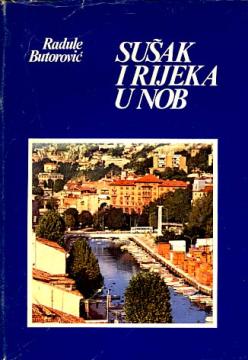
Sušak i Rijeka u NOB
One copy is available
- Slight damage to the dust jacket

One copy is available
Are you interested in another book? You can search the offer using our search engine or browse books by category.
Sadik Salimović's Book of Srebrenica (2002) is a memoir of the city: from Ottoman settlement, Islamization and development to the war suffering of 1992–1995 and genocide. It preserves the identity and memory of life before and after the tragedy.
The author explores why Tito remains a popular symbol of stability, social security and independence, despite critical views of his regime. The book maps the cultural, political and everyday manifestations of "Titostalgia".
The book depicts the development of a Bosnian bey family that, throughout the 19th and 20th centuries, transformed from a landowning family into a modern bourgeois family, reflecting broader social changes in Bosnia and Herzegovina.
The book represents a fundamental sociological and political science work that deals with the relationship between social structures and political systems, with special emphasis on Marxist theory, self-management, and the socialist society of the former
It is a work intended primarily for young people, written in a simple, accessible style, with the aim of creating a positive image of Tito as a revolutionary, statesman and leader of the national liberation struggle.
Academician Ljubo Boban, in his work Croatia in the Archives of the Government in Exile 1941–1943, brings together a collection of diplomatic reports from various European and international representative offices of the Yugoslav government in exile during