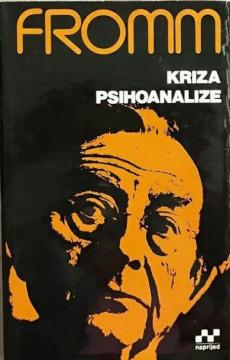
Kriza psihoanalize: Analitička socijalna psihologija i društvena teorija

Fromm analizira krizu frojdizma, zalažući se za sintezu psihoanalize i marksizma. Prikazuje kako društvene strukture oblikuju ljudski karakter te naglašava važnost revolucionarnog humanizma.
Zbirka esejističkih radova Kriza psihoanalize (objavljena 1970. godine) donosi oštru kritiku stanja psihoanalitičke teorije i njezine komercijalizacije u suvremenom društvu. Fromm upozorava da se izvorna Freuda revolucionarna misao pretvorila u konformistički alat čiji je cilj prilagoditi pojedinca postojećem društvenom poretku umjesto da ga propituje.
Ključne teme i naglasci djela obuhvaćaju:
Sintezu psihoanalize i marksizma: Fromm ponovno ističe nužnost analitičke socijalne psihologije koja povezuje unutarnje psihičke nagone s ekonomskim i društvenim uvjetima proizvodnje. Društveni karakter ne nastaje samo kroz obiteljske odnose, već kroz cjelokupnu društvenu strukturu.
Kritiku suvremene psihoanalize: Osuđuje institucionalizaciju i birokratizaciju psihoanalize koja je, osobito u SAD-u, izgubila kritičku oštricu i svela se na tehniku liječenja simptoma.
Radikalni humanizam: Fromm razmatra mogućnosti emancipacije čovjeka iz stanja otuđenja, naglašavajući da revolucija mora obuhvatiti promjenu svijesti i moralnih vrijednosti, a ne samo promjenu političkih institucija.
Knjiga nudi snažnu intelektualnu obranu humanističke alternative u svijetu rastće tehnokratske dominacije i gubitka vjere u čovjekove kreativne i slobodne potencijale.
Two copies are available