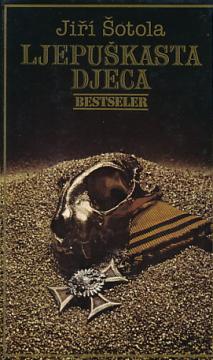
Ljepuškasta djeca
The novel Beautiful Children depicts the world of adolescent rebels in a "re-education" colony - a prison disguised as a school. Written in the spirit of the Prague Spring, the work criticizes the communist system through a dynamic, cinematic narrative.
In the 1950s, a group of "pretty children" - young girls and boys convicted of petty offenses (theft, running away from home) - arrive at a special institution in the Czechoslovak countryside. The main narrator, a teenager with street instincts, meets eccentric companions: a rebellious girl with artistic dreams, a cynic who mocks "pedagogical" lessons, and a quiet dreamer. They are ruled by a bureaucratic hierarchy, overseers who "fatten" them up for obedience through parades, fake workshops, and moral sermons about socialism.
Everyday life is absurd: morning exercises under an alarm clock, "re-education" meetings where "mistakes" are confessed, but also secret clubs where children share stories of freedom. An escape attempt by one character sets off a chain reaction - the octopuses of the authorities (police, courts) catch the "fugitives" on false charges. The climax is a rebellion: the children burn down the barracks, facing the violence of the system. The novel ends openly – freedom for some, a return to the cycle for others.
Prison as a metaphor for society – "a prison that is not" stifles individuality with bureaucracy and indoctrination. Training obedience vs. the natural rebelliousness of youth; a dying regime that writhes under absurd laws. Šotola mixes humor, irony and tragedy, reminiscent of Kafka: the truth hurts, but it sets you free. The work celebrates children's energy against the machine of evil, warning of the dangers of fanaticism.
Exceptionally dynamic, it is recommended for fans of social satire such as Kundera or Hrabal's early works.
Two copies are available