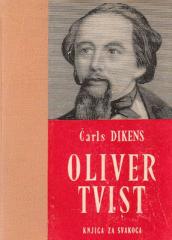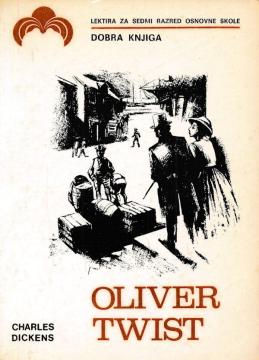
Oliver Twist
Oliver Twist (1837–1839) ist der zweite Roman von Charles Dickens und eines der berühmtesten Werke der Weltliteratur. Er gilt als der erste große Gesellschaftsroman, der das Elend, die Armut und die Ungerechtigkeit des viktorianischen Englands offen anpra
Die Geschichte erzählt vom Schicksal des kleinen Oliver Twist, der unmittelbar nach der Geburt zum Waisen wird. Aufgewachsen unter den grausamen Bedingungen eines Waisenhauses und Armenhauses, wo Kinder hungern und misshandelt werden, wagt Oliver es, um „etwas mehr Haferbrei“ zu bitten – eine Tat, die ihn zum Rebellen macht. Nach einer erfolglosen Lehre bei einem Bestatter flieht er nach London, wo ihn der Artful Dodger aufnimmt und zu dem alten Juden Fagin bringt, dem Anführer einer Bande von Kinderdieben.
Dickens schildert meisterhaft die düstere Londoner Unterwelt – Fagin, den brutalen Bill Sykes, Nancy und die anderen – aber auch edle Charaktere wie Mr. Brownlow und die Familie Maylie. Der Roman ist eine spannende Mischung aus Abenteuer, Gesellschaftskritik und Gefühl, mit der klaren Botschaft, dass das Umfeld und die Armut die Kriminalität prägen, nicht der Charakter des Einzelnen.
Oliver Twist ist ein wegweisendes Werk der Gesellschaftsliteratur: Es prangert Armenhäuser, Kinderarbeit, die Heuchelei der Gesellschaft und Antisemitismus (Fagin) an. Reich an unvergesslichen Charakteren, einer packenden Handlung und starkem Humanismus, ist es auch heute noch relevant als Geschichte von Unschuld, die trotz allem überlebt. Ein Klassiker, der jedem empfohlen wird – von jungen Lesern bis hin zu Liebhabern anspruchsvoller Literatur.
One copy is available