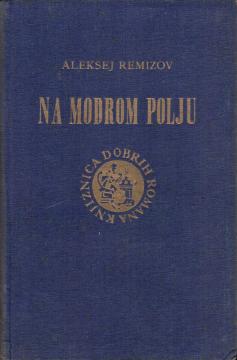
Na modrom polju
Priča o djevojci Olji Iljmenjevoj u predrevolucionarnom ruskom selu i provinciji. Kroz folkloran, ornamentalni stil Remizov opisuje njezin život, obitelj, hodočasnike, svakodnevicu i duhovnu potragu na „modrom polju“ ruske zemlje.
Na modrom polju“ (1922.) kraći je roman (povest) Alekseja Remizova, jednog od najznačajnijih ruskih modernista i emigrantata. Roman je autobiografski obojen – temelji se na životu Remizove supruge Serafime Pavlovne Remizove-Dovgello.
Glavna junakinja je Olja (Olya) Iljmenjeva, djevojka iz imućnije provincijske obitelji u selu Vataginu, kroz koje prolaze hodočasnički putovi prema Kijevu i Černigovu. Priča prati njezino djetinjstvo, mladost, obiteljske odnose, susrete s hodočasnicima, seljacima i svakodnevicu ruskog provincijskog života krajem 19. i početkom 20. stoljeća.
Remizov piše karakterističnim ornamentalnim, folklorno-poetskim stilom – bogatim arhaizmima, ponavljanjima, ritmom i bliskim ruskom usmenom pripovijedanju i starim kronikama. Nema klasične dramatične fabule ni velikih vanjskih sukoba; radnja teče mirno, gotovo kroničarski, s naglaskom na atmosferu, običaje, vjerovanja i unutarnji duhovni svijet likova. „Modro polje“ simbolizira rusku zemlju, beskraj, nebo i duhovnu dimenziju života.
Knjiga odiše toplinom, melankolijom i ljubavlju prema staroj Rusiji, njezinim običnim ljudima, vjeri i folkloru. Remizov majstorski prikazuje svijet pun čuda, patnje i svakodnevne ljepote – hodočasnike, ikone, obiteljske priče, prirodu. Stil je zahtjevan, ali hipnotičan: mješavina realizma, simbolizma i ruske ornamentalnosti (skaz). Djelo spada među njegove „tiše“, intimnije radove, za razliku od grotesknih i demonskih priča iz istog razdoblja.
One copy is available