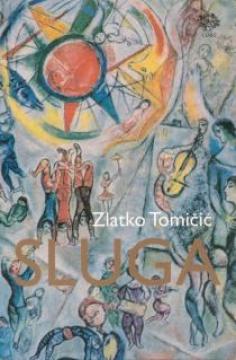
Sluga
Zlatko Tomičić's play "The Servant" deals with the themes of human subordination, moral struggle, and the search for freedom. Through the complex interrelationships of the characters, the author examines the individual's relationship to authority, society
The work “The Servant” is a significant dramatic achievement by Zlatko Tomičić, one of the most prominent Croatian poets and prose writers of the second half of the 20th century. Published in 2001, this drama focuses on the motifs of slavery, humility, and ethical and spiritual dilemmas that an individual encounters in an environment of domination and power. The title motif of the servant carries a strong allegorical and philosophical weight – it is not only a social category, but also a state of mind that reflects the inner struggle between obedience and the urge for personal freedom. Tomičić, with his recognizable, expressive, and visionary style, builds a tense atmosphere in which existentialist questions and Christian spirituality intertwine. Through dialogues and internal monologues, the author analyzes the nature of authority and asks the question of who is a truly free man and who is a true servant. The drama depicts the writer’s permanent preoccupation with the themes of patriotism, human rights, and resistance to oppressors, which was a frequent motif in his work and life. "The Servant" offers a deep reflection on ethical choices in times of crisis and confirms Tomičić's versatility within Croatian dramatic literature.
One copy is available