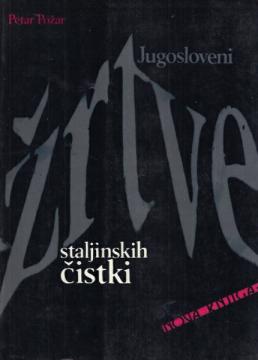
Jugoslaveni - žrtve staljinskih čistki
Dimensions
24 x 18 cm
Pages
386
Publisher
Nova knjiga, Beograd, 1989.
Latin alphabet. Paperback.
Language: Serbian.
ISBN
8-67-335060-3
No copies available
The last copy was sold recently.
No copies available
The last copy was sold recently.
Are you interested in another book? You can search the offer using our search engine or browse books by category.
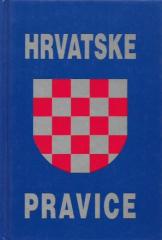
"Croatian Rights" presents a selection of key historical documents that shape the Croatian legal tradition – from medieval charters to modern acts – emphasizing the continuity of Croatian autonomy within the broader European framework.

An overview of the history and position of Italian women from antiquity to Mussolini's fascist Italy, with an emphasis on their contribution to society and culture. A popular educational publication from the period of the Independent State of Croatia, wit
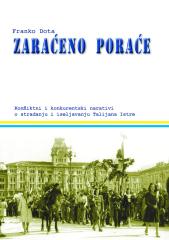
The book analyzes how conflicting historical narratives about the suffering and mass emigration of Italians from Istria and Rijeka developed in Croatia and Italy after World War II (1943–1956), debunking myths and encouraging an empathetic approach to the

The author of this book describes the fate of the main enemies of the Yugoslav communists in the last stage of the war, as well as their attempts to prevent the consolidation of communist power in Yugoslavia in the first post-war years.
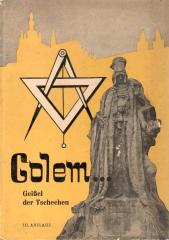
Golem: The Czech Whip is a propaganda book published in occupied Prague in 1942, which attacks Czech nationalism and political resistance to Nazism through anti-Semitic and anti-Masonic motives.

In the book, historian William Klinger investigates the origin and operation of OZNA - the brutal repressive apparatus of communist Yugoslavia, which monitored, imprisoned and liquidated political opponents.