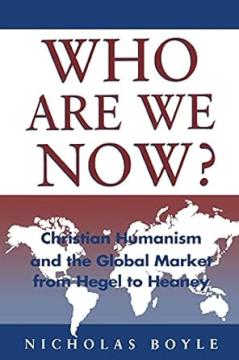
Who Are We Now?: Christian Humanism and the Global Market from Hegel to Heaney
Teologija više ne može postojati odvojeno od politike, filozofije i književnosti. Ovo je osnova Nicholasa Boylea za ispitivanje osobnog i kulturnog identiteta u današnjem svijetu.
Zajedno sa spektakularnim slomom perspektiva koje je 1989. nametnuo Hladni rat, pale su i lažne izvjesnosti nacionalnog i imperijalnog doba koje su oblikovale naš kolektivni i individualni identitet. Dok se pokušavamo pregrupirati i redefinirati sebe i svoje društvene veze, moramo uzeti u obzir dvije naizgled kontradiktorne sile: tendenciju prema raznolikosti i pluralizmu, s jedne strane, i težnju ka sve većem ujedinjenju, s druge strane. U ovoj knjizi Nicholas Boyle nudi deset studija o implikacijama sve integriranije svjetske ekonomske strukture na naš osjećaj političkog, kulturnog i osobnog identiteta. On zagovara duboku međupovezanost politike, religije, filozofije i književnosti i njihovu zajedničku neodvojivost od ekonomske baze. U tom procesu, on koristi filozofske i književne ideje kako bi uspostavio sustavne osnove za optimizam o nadnacionalnom poretku u nastajanju, s ciljem vraćanja mogućnosti "velikog narativa" u našu kolektivnu prošlost i budućnost. Međutim, njegovo istraživanje globalnog uma ne zanemaruje mnoga mučna osobna pitanja koja su pokrenuta preokretom 90-ih: Jesmo li više od potrošača i proizvođača? U kojoj mjeri nas još uvijek definira naša nacionalna pripadnost, naš spol, naše vjersko i kulturno opredjeljenje? Je li kršćanska perspektiva održiva u takvom sekularnom svijetu? Mogu li književnost i filozofija dati smisao pojedinačnim životima? Kakvu će ulogu igrati intelektualna klasa? Boyle pomno promatra Njemačku i Britaniju, njihove razlike i sve veću sličnost. On, između ostalih, govori o Thatcher, Fukuyami, Hegelu, Nietzscheu, Heideggeru, Derridi i Seamusu Heaneyju. Boyle tvrdi da će svijet, kako svijet bude postajao manje podijeljen, ali više disparatan, a njegov poredak manje drakonski, ali sve nesigurniji, odabir putova koji će najvjerojatnije dovesti do pravde i mira reformirati naš uništeni osjećaj identiteta.
Nema primjeraka u ponudi
Poslednji primjerak je nedavno prodan.