Djetinjstvo / Među ljudima
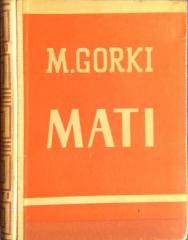
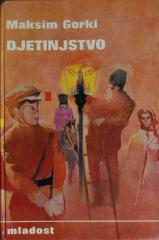
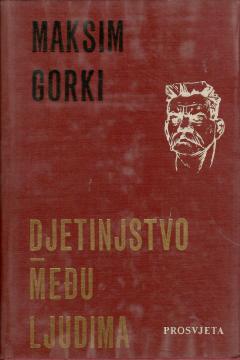
"Djetinjstvo" je autobiografski roman Maksima Gorkog, prvi dio njegove autobiografske trilogije koja uključuje i djela "Među ljudima" i "Moji univerziteti". "Među ljudima", drugi dio autobiografske trilogije, nastavlja priču iz romana "Djetinjstvo".
"Djetinjstvo" opisuje Gorkijevo teško djetinjstvo u Rusiji krajem 19. stoljeća, u kojem su siromaštvo, obiteljske svađe i surovi uvjeti oblikovali njegovu osobnost i pogled na svijet.
Roman počinje smrću glavnog junaka Alekseja Peškova (Gorkijevo pravo ime) oca, nakon čega ga majka vodi kod njegovih djedova i baka u Nižnji Novgorod. Obiteljski dom nije utočište koje je očekivao. Njegov djed je strog, okrutan i pohlepan čovjek, dok baka predstavlja utjelovljenje ljubavi, topline i mudrosti. Baka mu priča priče i pjesme koje ostavljaju dubok trag na njegovu maštu i razvijaju osjećaj za umjetnost.
Djetinjstvo Alekseja obilježeno je fizičkim i emocionalnim zlostavljanjem, siromaštvom i svakodnevnim borbama za opstanak. Ipak, kroz tešku svakodnevicu, Aleksej uči o ljudima, njihovim manama, ali i o ljubavi, suosjećanju i pravdi. Njegova baka postaje moralni oslonac i simbol dobrote u surovom svijetu. Kroz oči djeteta, Gorki prikazuje društvenu nepravdu i bijedu Rusije toga doba, postavljajući temelje svojih kasnijih socijalističkih uvjerenja.
Gorki piše emotivno i realistično, koristeći jednostavan, ali snažan jezik kako bi prikazao svijet očima djeteta. "Djetinjstvo" je ne samo priča o odrastanju, već i duboko promišljanje o ljudskoj prirodi, društvu i nadi. Djelo je postalo klasik ruske književnosti i ostavilo trajan utjecaj na čitatelje širom svijeta.
"Među ljudima" prati odrastanje Alekseja Peškova (autora) nakon što napušta kuću svojih djedova i baka. Djelo je duboko introspektivno i realistično, usmjereno na Aleksejev život među ljudima iz različitih društvenih slojeva, gdje se suočava s novim izazovima i sazrijeva kroz teška iskustva.
Roman počinje kada mladi Aleksej odlazi od svoje obitelji kako bi započeo život samostalnog radnika. Suočava se s nemilosrdnim svijetom siromaštva i izrabljivanja. Radi razne poslove – postaje pomoćnik u trgovinama, radionici i na raznim drugim mjestima – i kroz te poslove susreće različite ljude koji utječu na njegov razvoj.
Kroz te susrete Aleksej uči o nepravdi, licemjerju i okrutnosti, ali i o solidarnosti, ljubavi i dostojanstvu. Neki od ljudi koje susreće ostavljaju pozitivan utjecaj na njega, dok drugi predstavljaju simbol surovosti društva. Posebno mjesto u njegovom razvoju zauzimaju intelektualci i radnici s kojima razmjenjuje ideje i otkriva svoj interes za književnost i umjetnost.
Kroz cijeli roman, Aleksej se suočava s osjećajem usamljenosti i traženjem vlastitog identiteta. Njegova želja za znanjem i dubljim razumijevanjem života sve je snažnija, što ga na kraju odvodi na put prema duhovnoj i intelektualnoj emancipaciji.
Nema primjeraka u ponudi
Poslednji primjerak je nedavno prodan.