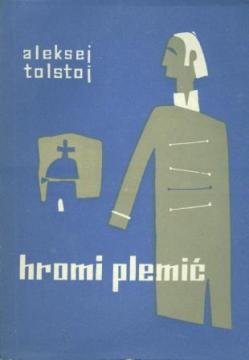
Hromi plemić

Hromi plemić

Aleksej K. Tolstoj

In the short story The Crippled Nobleman, the tragic fate of an unfortunate aristocrat becomes a parable about pride, pain, and transience. The author combines realism and romance into a deeply emotional story about human vulnerability and dignity.

The short story The Lame Nobleman by the Russian writer Alexei Konstantinovich Tolstoy (1817–1875) is a psychologically and morally layered work that explores human loneliness, sadness, and the need for love. Tolstoy, known for his historical novels, poetic ballads, and humorous stories, in this short story reaches a more intimate tone and shows compassion for a “little” man from the aristocratic class.

The main character, a nobleman who physically limps, is also marked by spiritual wounding. His lameness symbolizes not only a physical defect but also a sense of separation from the world, an inability to fit into a society that values ​​strength, youth, and external perfection. With an exceptional sense of psychological detail, Tolstoy depicts the inner life of a man struggling between pride and the need for closeness, between irony and sincere sadness.

The plot is simple, but charged with emotions: through everyday situations and encounters, the hero discovers how cruel social judgments are and how difficult it is to preserve dignity in a world that mocks weakness. Against the backdrop of a realistic picture of the Russian province, the author builds a universal message about human equality and compassion.

The style of the story is characterized by elegance, gentle humor and romantic empathy for the character. In The Lame Nobleman, Tolstoy combines a sentimental tone with moral reflection, showing that the true greatness of a person comes from his inner strength, and not from social position or physical perfection.

This work thus becomes a symbolic study of pride, pain and self-esteem, one of the most humane and emotionally moving prose works of Alexei K. Tolstoy.

Naslov izvornika
Хромой барин
Prijevod
Dragutin Mičović
Urednik
Gojko Janjušević
Naslovnica
Jovan Lukić
Dimenzije
17 x 11 cm
Broj strana
142
Nakladnik
Progres, Novi Sad, 1962.
 
Latinica. Broširano.
Jezik: Srpski.

Jedan primjerak je u ponudi

Stanje:Korišteno, u odličnom stanju
Dodano u košaricu!
 

Zanima Vas i neka druga knjiga? Možete pretražiti našu ponudu pomoću tražilice ili prelistati knjige po kategorijama.

Možda će Vas zanimati i ovi naslovi

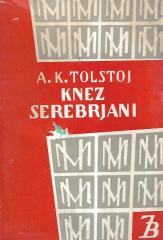
Knez Serebrjani

Knez Serebrjani

Aleksej N. Tolstoj
Matica hrvatska, 1961.
Hrvatski. Latinica. Tvrde korice.
3,20 - 3,28
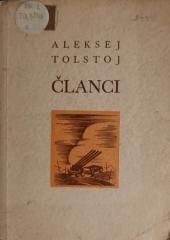
Članci (1942 - 1943)

Članci (1942 - 1943)

Aleksej N. Tolstoj
Nakladni zavod Hrvatske, 1945.
Hrvatski. Latinica. Broširano.
2,65
Lovčevi zapisi

Lovčevi zapisi

Ivan Sergejevič Turgenjev

A collection of short stories in which the author, in a poetic style, portrays man as the backbone of all events, and the beauty of Russia and the Russian soul in all its fullness.

Europapress holding, 2008.
Hrvatski. Latinica. Tvrde korice.
4,22 - 4,28
Stari nevjernik: Sabrana djela Branka Ćopića #6

Stari nevjernik: Sabrana djela Branka Ćopića #6

Branko Ćopić

Holy Donkey - People with Tails - Bitter Honey - Old Conversations

Prosveta, 1964.
Srpski. Latinica. Tvrde korice.
3,52
Pripovijesti

Pripovijesti

Ivan Franko

Contents: Bricklayer, Good earnings, Forests and pastures, Gypsies, On the light, Lady's bread, Note about the writer

Zora, 1950.
Hrvatski. Latinica. Broširano.
2,96 - 2,98
Voltaireova smrt

Voltaireova smrt

Ivan Grljušić

The book is not a novel, but a collection that mixes short stories, drama, and essay fragments, with a focus on death, power, and existential dilemmas.

Vlastita naklada, 2006.
Hrvatski. Latinica. Broširano.
4,98