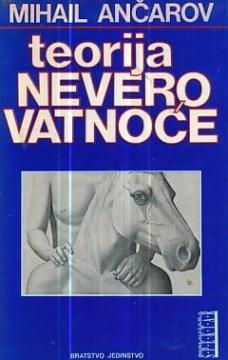
Teorija neverovatnoće
Two copies are available
Copy number 1
- Damaged covers
- Damaged book cover

Two copies are available
Are you interested in another book? You can search the offer using our search engine or browse books by category.
The Golden Calf (1931) follows the ingenious con artist Ostap Bender, who in Soviet Russia during the first five-year plan seeks a secret millionaire in order to get rich, encountering the absurdity of bureaucracy, the new Soviet man, and his own downfall
The work depicts the process of creating a literary hero and mocks bureaucracy, superficiality, and the artificial creation of "ideal" stories according to predetermined rules.
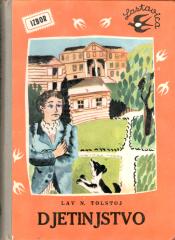
Childhood (1852) is the first book of an autobiographical trilogy (with Adolescence and Youth), where Tolstoy explores the world of childhood through the eyes of a ten-year-old boy, Nikolinka Irtenjev – innocence, joys, sorrows and first traumas.
The story of a girl named Olya Ilymeneva in a pre-revolutionary Russian village and province. Through a folkloric, ornamental style, Remizov describes her life, family, pilgrims, everyday life, and spiritual quest on the "blue field" of the Russian land.
There is no doubt that it is most attractive to read The Call to Execution as it appears to be written, as an anti-utopian or anti-totalitarian novel...
Vasily Yan's novel Genghis Khan depicts the rise of the Mongol leader Temujin, from childhood in the steppes to the creation of the largest empire in the world, highlighting his courage, cruelty, and relentless will to power.