Naklada knjižare Preporod
10000Zagreb
Hrvatska
Naslovi u ponudi
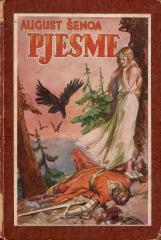
Pjesme II – Epske pjesme

Knjiga 10 Sabranih djela donosi Šenoine najznačajnije epske i baladne pjesme. Rodoljubne, povijesne i legendarne teme, junački motivi i dramatične priče u stihu – od srednjovjekovnih događaja do narodnih predaja.
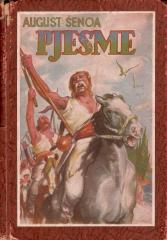
Pjesme I – Lirske pjesme, Prigodnice, Šaljive pjesme, Epigrami
Knjiga 9 Sabranih djela Augusta Šenoe donosi izbor njegove najznačajnije poezije. Od romantičnih i rodoljubnih lirskih pjesama preko prigodnica do duhovitih šaljivih pjesama i britkih epigrama – sve u prepoznatljivom Šenoinom stilu.

Svjedočenje o vremenu
"Svjedočenje o vremenu" Esada Durakovića zbirka je eseja koji kritički promišljaju rat, poslijeratnu tranziciju i društvene lomove, povezujući ih s religijskim, kulturnim i političkim procesima u BiH i arapskom svijetu.
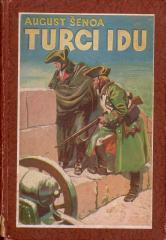
Turci idu / Ljubica / Kanarinčeva ljubovca
Knjiga 20 Sabranih djela Augusta Šenoe spaja tri raznolike pripovijesti: dramatičnu sliku straha od turske najezde, romantičnu priču o nesretnoj ljubavi te duhovitu i toplu humoresku o malim ljudima i njihovim slabostima.
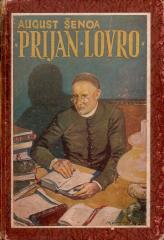
Turopoljski top / Prijan Lovro / Zvonar topdžija / Do tri puta bog pomaže / Blijedi mjesec / Kako došlo tako prošlo
Knjiga 18 Sabranih djela Augusta Šenoe donosi izbor njegovih najpopularnijih humorističnih, satiričnih i romantičnih pripovijesti. Živopisne slike Turopolja, Zagreba i provincije pune duhovitosti, ironije i topline.

Vještina živjeti
Praktičan i humanistički priručnik o umijeću življenja u kojem Maurice Tieche kroz savjete i promišljanja obrađuje zdravlje, rad, ljubav, odgoj, volju, sreću i smisao života.
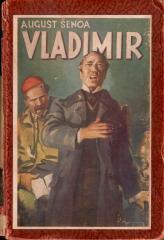
Vladimir / Dusi narodne straže
Knjiga 17 Sabranih djela Augusta Šenoe spaja dvije tematski različite pripovijesti: romantičnu priču o ljubavi u Vladimiru te autobiografsku, nostalgičnu sliku djetinjstva i revolucionarnog zanosa 1848. godine u Dusima narodne straže.