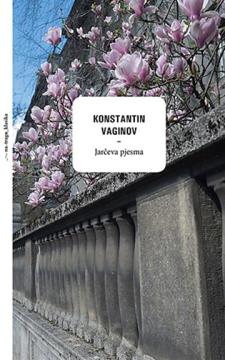
Jarčeva pjesma
Es handelt von Petersburg zu Beginn der 20er Jahre des letzten Jahrhunderts, einer Zeit, in der Kultur und Alltagsleben noch einen gewissen „Normalitätszustand“ aufwiesen.
Der Rahmen des Romans Jarčeva pjesma (1928) wird vom Autor organisiert, der gelegentlich in den Erzählfluss einbricht und uns wissen lässt, wer alle Fäden in der Hand hält. Aber er ist nicht der biografische Autor des Textes, d.h. er repräsentiert nicht Konstantin Vaginov, sondern ist eine Konstruktion, das Produkt eines unbekannten Dichters, der nur einem engen Kreis von Poesieliebhabern bekannt war. Da sind auch der Wissenschaftler Teptjolkin, der nachts an seinem Lebenswerk „Hierarchie der Sinne“ arbeitet, Miša Kotikov, Sammlerin von Material über den tragisch getöteten Dichter Zaeufratski, Kostja Rotikov, Expertin für barocken, luxuriösen und verrückten Stil, Marija Petrovna Dalmatova, die der geistesgestörte Dichter Septembar, Nataša Golubec und einige mehr. Es ist eine Familie, die das von Revolution und Krieg zerstörte Petrograd nicht akzeptieren kann, sondern davon träumt, frühere kulturelle Werte auf einer Insel inmitten der Trostlosigkeit wiederzubeleben. Leider ist die bestehende, banale Realität einer solch anspruchsvollen und edlen Tat nicht würdig. Daher geben die Mitglieder des Kreises angesichts der neuen gesellschaftspolitischen Situation langsam die Verwirklichung der Ideale des Hellenismus in einer Stadt auf, die mit ihren Ruinen an das antike Rom erinnert. Am Ende fällt der Vorhang. Die Show ist vorbei. Es gibt keine mehr. Der Autor betritt zusammen mit seinen Helden die Bühne und verbeugt sich. Slagari stellt das Buch zusammen. Als sie die Hälfte von Capricorns Gedicht verfasst haben, verlässt der Autor mit seinen wahren Freunden das Café und geht in eine wundervolle Petrograder Frühlingsnacht, die die Seelen über die Newa, über Burgen und Kirchen erhebt, in eine raschelnde Nacht, die wie ein Garten, wie die Jugend und … singt fliegt wie ein Pfeil in eine Nacht, die, wie Vaginov sagt, für sie bereits vergangen ist. Die Botschaft des Autors ist, dass es in Wirklichkeit keinen Platz für spirituelle Dinge gibt, insbesondere nicht für solche aus der Vergangenheit. Der einzige Ort, an dem die Elitekultur „transplantiert“ werden kann, ist das Leben nach dem Tod, die vom Künstler geschaffene Ewigkeit. Kunst, wie sie von Vaginov interpretiert wird, ist ein Kampf um eine andere Welt, das heißt, die Überführung der Menschen aus der Leere der unmittelbaren Realität in die Fülle einer besseren und langlebigeren Existenz. Kunst ist also ein Ziegengesang, was in der Übersetzung bedeuten würde – Tragödie.
Jedan primjerak je u ponudi