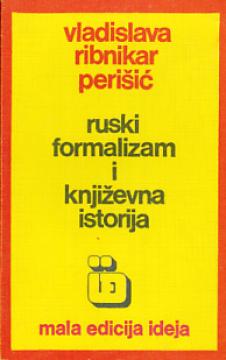
Ruski formalizam i književna istorija
Studija analizira doprinos ruskog formalizma istoriji književnosti, istražujući evoluciju književnih formi, smenjivanje pokreta, teoriju književnog razvoja i specifičnu metodologiju formalnog pristupa.
Rad Vladislave Ribnikar-Perišić pod naslovom Ruski formalizam i književna istorija (1976) analizira jedan od najuticajnijih teorijskih pokreta u proučavanju književnosti 20. veka. Autorka istražuje kako su ruski formalisti – poput Jurija Tinjanova, Viktora Šklovskog i Borisa Ejhenbauma – redefinisali pojam književne istorije i predložili novu metodologiju za razumevanje književnog razvoja. Umesto da književnost posmatraju kroz tradicionalne biografske, sociološke ili psihološke okvire, formalisti se usredsređuju na autonomiju književnog dela i unutrašnju dinamiku samih formi. Studija poseban naglasak stavlja na Tinjanovljevu teoriju književne evolucije, u kojoj se književna istorija ne posmatra kao jednostavan hronološki niz, već kao stalna borba i smena književnih sistema i postupaka. Ribnikar-Perišić detaljno razmatra koncept „očuđenja” (ostranjenije), ulogu parodije u razbijanju okoštalih formi, kao i odnos između književne normativnosti i inovacije. Ovaj rad pruža dragocen uvid u to kako je ruski formalizam premostio jaz između sinhronijskog proučavanja tekstova i dijahronijskog praćenja književnih procesa.
Jedan primerak je u ponudi
- Oštećena leđa