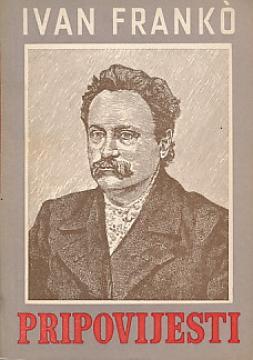
Pripovijesti
Zbirka Pripovijesti sadrži sedam tekstova ukrajinskog pisca Ivana Franka (1856.–1916.), ključnog predstavnika socijalnog realizma u ukrajinskoj književnosti.
Smještene u Galiciji pod austrijskom vlašću krajem 19. stoljeća, priče ismijavaju siromaštvo seljaka i radnika, kritizirajući feudalnu eksploataciju, birokraciju i gubitak tradicionalnih prava. Franko, liječnik, novinar i aktivist, kroz realistične opise i duboke likove poziva na socijalnu pravdu i nacionalno buđenje.
- Zidar: Siromašni zidari, bivši seljaci, dolaze u grad tražeći posao, ali nailaze na okrutne poslodavce i teške uvjete. Glavni lik, iskusni majstor, pati od bolesti i iskorištavanja, simbolizirajući propadanje radničke klase u urbanom kaosu. Priča završava tragično, naglašavajući bespomoćnost malog čovjeka.
- Dobra zarada: Seljak Mykyta odlazi u grad nadajući se brzom bogatstvu, ali biva prevaren špekulantima i vlasnicima. Umjesto zarade, završava u dugovima i bolesti, vraćajući se selu razočaranim. Franko ismijava lažne obećanja kapitalizma, prikazujući kako siromašni ostaju žrtve.
- Šume i pašnjaci: Stari seljak Andrij Kritsky gubi pristup zajedničkim šumama i pašnjacima zbog ogradnje plemića i zakona koji favoriziraju velike posjednike. Priča prikazuje gubitak prirodnih resursa i tradicionalnog života, dovodeći do gladovanja i očaja, kritizirajući agrarnu reformu koja štiti elite.
- Cigani: U selu dolazi romska obitelj, izazivajući predrasude i sukobe s lokalnim stanovništvom. Kroz priču o ljubavi i izdaji unutar romske zajednice, Franko istražuje marginalizaciju manjina, mješavinu kultura i rasizam, prikazujući Cigane kao žrtve društvene diskriminacije.
- Na svijetlo: Mladi intelektualac ili radnik traži "svjetlo" znanja i istine u tami neukosti i socijalne nepravde. Susreće se s birokracijom i licemjerjem, ali njegov put simbolizira nadu u prosvjetljenje i borbu protiv tamnih sila feudalizma.
- Gospoštijski kruh: Priča o ropskom radu (panshchyna), gdje seljaci rade za "gospodski kruh" – minimalnu naknadu od plemića. Kroz likove koji pate od gladi i poniženja, Franko osuđuje feudalni sustav, naglašavajući da pravi kruh dolazi samo kroz slobodan rad.
- Bilješka o piscu: Frankov autobiografski esej o svom stvaralaštvu, razmišljanjima o ulozi književnosti u društvenoj borbi i inspiraciji iz narodnog života.
Prijevod
Roman Šovary
Urednik
Gustav Krklec
Dimenzije
17 x 12 cm
Broj strana
105
Nakladnik
Zora, Zagreb, 1950.
Tiraž: 5.000 primjeraka
Latinica. Broširano.
Jezik: Hrvatski.
Dva primjerka su u ponudi