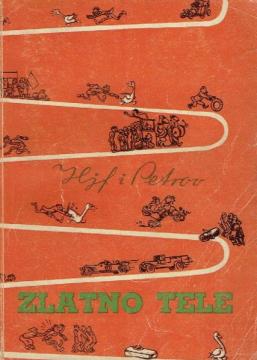
Zlatno tele
Das goldene Kalb (1931) ist ein brillantes satirisches Schelmenabenteuer, eine Fortsetzung des legendären Romans Die zwölf Stühle, in dem der große Intrigant Ostap Bender in voller Pracht zurückkehrt – charmant, zynisch, unverbesserlich gerissen und allen
Die Geschichte spielt in der Sowjetunion der späten 1920er-Jahre, während der NEP und zu Beginn des Fünfjahresplans, als sich das alte Russland mit neuen sozialistischen Träumen vermischte. Ostap Bender, der im ersten Roman überlebt hat (wenn auch ohne Millionen), hat nun ein neues Ziel im Visier: die geheime Schatzkammer des Geschäftsmanns Alexander Koreiko, einem der wenigen sowjetischen Millionäre, der sein Vermögen durch Schmuggel, Bestechung und Manipulation erwirtschaftet hat und bescheiden als einfacher Buchhalter lebt. Bender stellt eine Gruppe von „Leutnantsöhnen“ zusammen – eine bunte Truppe aus Betrügern, Träumern und Opportunisten – und begibt sich auf eine abenteuerliche Jagd quer durch die gesamte UdSSR: von Moskau über Charkow, entlang der Eisenbahnlinien bis zum Schwarzen Meer und nach Zentralasien.
Der Roman ist voller urkomischer Episoden: gefälschte Filmaufnahmen, der legendäre „Antilope-Gnu“, Begegnungen mit Bürokraten, Journalisten, der Polizei und einfachen Leuten. Bender glänzt mit seinen Aphorismen („Lass es, ich sage dir die Wahrheit – ich bin ein genialer Schlitzohr!“, „Die Reichen sind arme Leute“), mit denen er Korruption, Bürokratie, Gier und Heuchelei der neuen Gesellschaft aufs Korn nimmt. Doch unter dem Humor schwingt eine bittere Note mit: Ostap ist eine tragische Figur – ein brillanter Betrüger, der von „Rio de Janeiro“ (einem Symbol für Freiheit und Reichtum) träumt, aber erkennt, dass für einen wie ihn in der Sowjetunion kein Platz ist.
Ilf und Petrov schreiben rasant, humorvoll, mit dem Charme Odessas und einem scharfen Blick für das Absurde – der Roman ist voller Zitate, die in den allgemeinen Sprachgebrauch eingegangen sind („Wie ist das Leben an der Riva?“, „Ihr Telegramm ist angekommen, aber nicht verstanden worden“). Es ist eine Satire auf die sowjetische Realität, aber auch eine universelle Komödie über menschliche Gier und Illusionen.
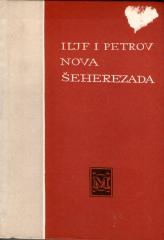
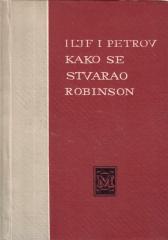
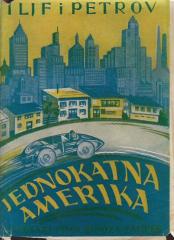
Angeboten wird ein Exemplar
- Die Abdeckung fehlt