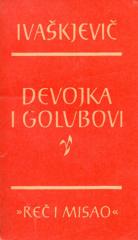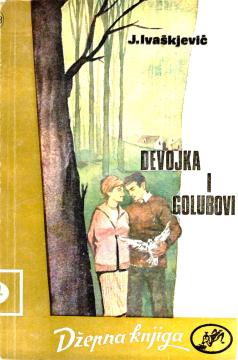
Devojka i golubovi
Der junge Edek lebt bei seinem betagten Vater, der ihn unbedingt an sich binden will. Edeks Sehnsucht nach Freiheit und einem Mädchen kollidiert mit der Besitzgier seines Vaters. Die Tauben symbolisieren die unerreichbare Freiheit. Der Konflikt führt zu e
„Das Mädchen und die Tauben“ ist eine der bekanntesten Erzählungen von Jaroslav Iwaśkiewicz (1894–1980) und erschien 1955 in der Zeitschrift „Twórczość“. Die Geschichte spielt im Nachkriegspolen (vermutlich in den 1950er-Jahren) in einem Einfamilienhaus, in dem ein einsamer Ingenieur und Architekt mit seinem jüngeren Sohn Edek lebt. Der Vater, sich seines Alters und seiner Angst vor der Einsamkeit bewusst, entwickelt unbewusst einen besitzergreifenden Drang, seinen Sohn so lange wie möglich bei sich zu behalten. Edek, ein junger Mann im Übergang zum Erwachsenenalter, verspürt eine wachsende Sehnsucht nach Freiheit, Liebe und Unabhängigkeit – verkörpert im Bild eines Mädchens und symbolisch in den frei über dem Haus fliegenden Tauben.
Iwaśkiewicz konstruiert subtil einen psychologischen Konflikt: Der Vater merkt nicht, wie sehr er seinen Sohn einengt, und der Sohn kann seine Rebellion nicht ausleben, ohne sich schuldig zu fühlen. Die Tauben – die Vögel, die der Junge beobachtet und füttert – werden zur Metapher für unerreichbare Freiheit, jugendliche Sehnsucht und Vergänglichkeit. Die Geschichte gipfelt in einem tragischen Generationenkonflikt: Der Vater spürt, dass „eine Tragödie naht“ und dass das Leben ihm seinen Sohn entreißen wird, während Edek versucht, sich aus dieser emotionalen Falle zu befreien.
Die Geschichte ist ein klassisches Beispiel für Iwaśkiewicz’ Stil: lyrisch, introspektiv, mit einem tiefen Einblick in die menschliche Psyche, subtiler Symbolik und einem Gefühl melancholischer Unausweichlichkeit. Es gibt kein Pathos, sondern ein stilles, aber kraftvolles Drama über familiäre Beziehungen und die Vergänglichkeit des Lebens. Die Geschichte basiert auf dem Fernsehfilm „Dziewczyna i gołębie“ (1973/74, Regie: Barbara Sass) mit Jadwiga Jankowska-Cieślak und Andrzej Seweryn in den Hauptrollen.
Angeboten wird ein Exemplar