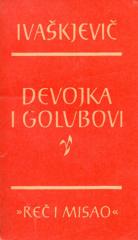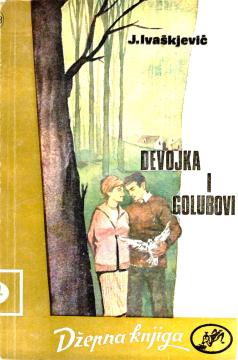
Devojka i golubovi
Mladić Edek živi sa starijim ocem koji pokušava zadržati sina uz sebe. Dječakova čežnja za slobodom i devojkom sukobljava se sa očevom posesivnošću. Golubovi simboliziraju nedostižnu slobodu. Konflikt vodi ka tragičnom raspletu.
„Devojka i golubovi“ je jedna od poznatijih pripovjedaka Jaroslava Ivaškjeviča (1894–1980), objavljena 1955. u časopisu „Twórczość“. Radnja se odvija u poslijeratnoj Poljskoj (vjerojatno 1950-ih), u obiteljskom domu gdje otac – usamljeni inženjer-arhitekt – živi s mlađim sinom Edkom. Otac, svjestan vlastite starosti i straha od samoće, nesvjesno postaje posesivan prema sinu, želeći ga zadržati uz sebe što duže. Edek, mladić u fazi sazrevanja, osjeća sve veću unutarnju čežnju za slobodom, ljubavlju i samostalnošću – oličenom u liku djevojke i simbolično u golubovima koji lete slobodno iznad kuće.
Ivaškjevič suptilno gradi psihološki sukob: otac ne shvaća koliko guši sina, a sin ne može da izrazi svoju buntovnost bez osjećaja krivice. Golubovi – ptice koje dječak promatra i hrani – postaju metafora nedostižne slobode, mladalačke čežnje i prolaznosti. Priča kulminira u tragičnom sukobu generacija: otac osjeća da mu se „tragedija približava“ i da će mu život oteti sina, dok se Edek pokušava otrgnuti iz te emotivne zamke.
Priča je klasičan primjer Ivaškjevičevog stila: lirski, introspektivan, s dubokim poniranjem u ljudsku psihu, suptilnim simbolizmom i osjećajem melankolične neizbježnosti. Nema patetike, već tihe, ali snažne drame obiteljskih odnosa i prolaznosti života. Po motivima priče snimljen je 1973/74. TV film „Dziewczyna i gołębie“ (rež. Barbara Sass) sa Jadwigom Jankowskom-Cieślak i Andrzejom Sewerynom.
One copy is available