Crveni krin
Die rote Lilie (1894) ist nicht nur eine Geschichte verbotener Leidenschaft – sie ist ein subtiles, ironisches Fresko einer Welt, in der Liebe, Politik und Kunst in einem dünnen, fast transparenten Netz aus Konventionen und Begierden miteinander verwoben
Der Roman erzählt die Geschichte von Thérèse Martin-Bellème, einer jungen, schönen und unzufriedenen Gräfin, die mit einem älteren, distanzierten Politiker verheiratet ist – eine Vernunftehe, die eine tiefe Leere in ihrem Leben hinterlassen hat. In ihre Welt tritt Jacques Dechartre, ein leidenschaftlicher Bildhauer und Künstler, der das genaue Gegenteil ihres Mannes ist: warmherzig, intuitiv, voller Sinnlichkeit und poetischer Tiefe. Was als diskrete Affäre beginnt, entwickelt sich rasch zu einer obsessiven, fast schon zwanghaften Liebe – einer Liebe, die befreiend und zerstörerisch zugleich ist.
Der zentrale Teil der Handlung spielt in Florenz, der Stadt der roten Lilie (Symbol für Florenz und die Toskana, aber auch für Leidenschaft, Blut, Schönheit und Vergänglichkeit). Dort, unter der toskanischen Sonne und im Schatten der Meisterwerke der Renaissance, versuchen die Liebenden, einen Augenblick der Ewigkeit einzufangen – doch die Realität holt sie unerbittlich ein: Eifersucht, gesellschaftliche Normen, die Angst vor einem Skandal und die inneren Widersprüche Thereses selbst, die zwischen dem Wunsch nach Freiheit und der Furcht vor dem Verlust ihrer Stellung hin- und hergerissen ist.
France schreibt mit einer unverwechselbaren Eleganz und sanften Ironie – es gibt kein Pathos, kein Melodrama. Stattdessen findet sich eine feine Beobachtung der menschlichen Natur: wie die Liebe sich von Illusionen nährt, wie die Gesellschaft die Leidenschaft erstickt, wie Kunst Zuflucht und zugleich Lüge sein kann. Der Roman ist voller philosophischer Exkurse, Gespräche über Kunst, Politik und Liebe, geprägt von Frances typisch skeptischer, aber mitfühlender Weltsicht.
Es ist eines seiner intimsten und erotischsten Werke, fernab der Satiren von Der Durst der Götter oder Die Pinguininsel – hier stehen die weibliche Seele, die Sinnlichkeit und die Zerbrechlichkeit des Glücks im Mittelpunkt. Kritiker lobten es als „Liebesroman für Intellektuelle“, und heute wird es als subtile Kritik an der bürgerlichen Gesellschaft am Ende des 19. Jahrhunderts gelesen.
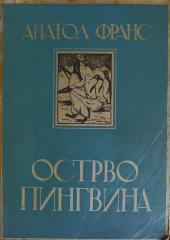
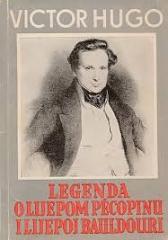
Es werden zwei Exemplare angeboten
Kopiennummer 2
- Leichte Beschädigung der Abdeckung