Émile Zola
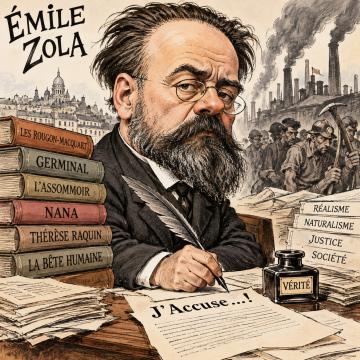
Émile Zola (Paris, April 2, 1840 – Paris, September 29, 1902) was a French writer, journalist, and literary critic, and one of the most significant representatives of naturalism in 19th-century European literature. He grew up in Aix-en-Provence, where he became friends with the painter Paul Cézanne. After his father's death, the family fell into financial hardship. Zola moved to Paris and took a job at the Hachette publishing house, subsequently dedicating himself to literature and journalism.
He began his literary career with the short story collection Stories for Ninon (1864) and attracted public attention with the novel Thérèse Raquin (1867). His most important achievement is the monumental Rougon-Macquart cycle (1871–1893), comprising twenty novels that depict French society during the Second Empire. Among the cycle's best-known works are L'Assommoir (1877), Nana (1880), The Ladies' Paradise (1883), Germinal (1885), The Beast Within (1890), and The Debacle (1892).
In his novels, Zola explored the influence of heredity, social environment, and life circumstances on human behavior. He devoted special attention to poverty, the working class, social injustices, and the moral hypocrisy of the bourgeoisie. He outlined the principles of naturalist poetics in his theoretical work The Experimental Novel (1880).
Following the Rougon-Macquart cycle, he wrote the Three Cities trilogy (1894–1898) and began the Four Gospels cycle. As a socially engaged intellectual, he gained renown for his open letter J’accuse…! (1898), in which he defended the unjustly convicted Alfred Dreyfus and condemned antisemitism. Due to this stance, he was forced to leave France temporarily.
He died in Paris from carbon monoxide poisoning under unexplained circumstances. His remains were transferred to the Panthéon in Paris in 1908. Zola left an indelible mark on world literature by combining the artistic power of the novel with a critical observation of society.
Titles in our offer
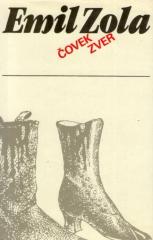
Čovek zver
The main character, Etienne Rouen, represents the archetypal figure of a modern man whose character is marked by inner brutality.
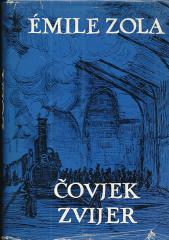
Čovjek zvijer
The novel explores the destructive forces of inheritance, passion, and violence in modern industrial society. The action takes place largely on the railroad, a symbol of speed, destiny, and inevitable doom. “Beast Man” is the first description of crime in

Germinal
A novel that represents the pinnacle of literary creation by one of the most significant representatives of naturalism in literature.
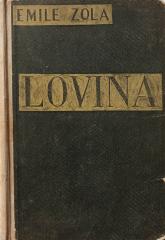
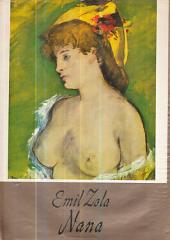
Nana
The novel "Nana" by Emil Zola is a story about false love, about feigned passion and lust, greed and all emotions related to possessing material things. Everything is embodied in the figure of a woman, possessed of all the vices that society condemns.
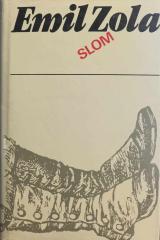
Slom
"Breakdown" is a powerful and emotional depiction of war events, but at the same time a deep reflection on human destiny and collective experience.

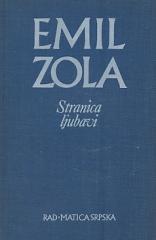
Stranica ljubavi
The novel "The Page of Love" by Émil Zola follows the life of a young widow and a doctor, who are brought together by the illness of the widow's twelve-year-old daughter.

Trbuh Pariza
In deep silence, the vegetable cart was going up the deserted wide street towards Paris; the wheels rattled rhythmically and their echo struck the fronts of the houses that fell asleep on either side behind the vague lines of the elms.