Émile Zola
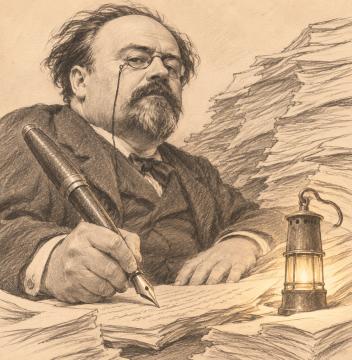
Étienne Lantier arrives in a mining district in northern France looking for work. Once he goes down the shaft, he discovers how hard entire families have to labour to survive. In Germinal (1885), Émile Zola follows the miners’ discontent as it turns into a strike and asks what happens when lost wages mean their children may go hungry.
Zola (Paris, 1840–1902) spent his childhood in Aix-en-Provence, where he befriended the painter Paul Cézanne. In Paris he worked for the publisher Hachette before devoting himself to writing and journalism. Thérèse Raquin (1867), a novel of adultery, murder and guilt, already showed his interest in how people behave under pressure from their own impulses and circumstances.
He developed that idea across the twenty novels of Les Rougon-Macquart (1871–1893). Following different branches of one family, he took readers through working-class districts, theatres, department stores and financial circles under France’s Second Empire. In L’Assommoir (1877), the laundress Gervaise struggles to keep her business and family together. In Nana (1880), her daughter enters the world of the theatre and its wealthy patrons.
In The Experimental Novel (Le Roman expérimental, 1880), Zola set out his understanding of naturalism. The writer observes people in specific circumstances and examines how heredity and environment shape their decisions. The importance of detail is evident in The Ladies’ Paradise (Au Bonheur des Dames, 1883). The displays, discounts and layout of a department store change customers’ habits and threaten smaller businesses in the neighbourhood.
In 1898 Zola published the open letter “J’accuse…!” in L’Aurore, publicly challenging the wrongful conviction of the army officer Alfred Dreyfus. Convicted of libel, he took refuge in England and returned to France in 1899. His novels had long explored how institutions determine individual lives. In the Dreyfus affair, he put that question to the readers of a daily newspaper.
Titles in our offer
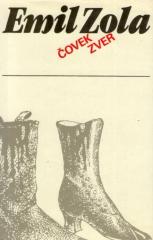
Čovek zver
The main character, Etienne Rouen, represents the archetypal figure of a modern man whose character is marked by inner brutality.
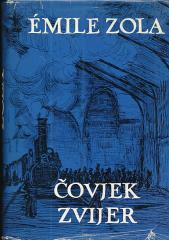
Čovjek zvijer
The novel explores the destructive forces of inheritance, passion, and violence in modern industrial society. The action takes place largely on the railroad, a symbol of speed, destiny, and inevitable doom. “Beast Man” is the first description of crime in
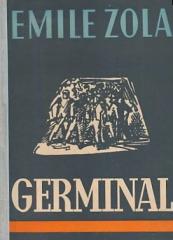
Germinal
Naturalistički klasik Emila Zole o teškom životu i štrajku rudara na severu Francuske u 19. veku, njihovoj borbi protiv siromaštva i nepravde, kao i o rađanju radničke solidarnosti i nade.

Germinal
Roman koji predstavlja vrhunac književnog stvaralaštva jednog od najznačajnijih predstavnika naturalizma u književnosti.
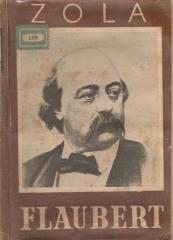
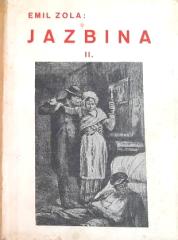
Jazbina II.
Naturalistički roman Emila Zole *Klopka* (L’Assommoir) prati tragičnu propast pariske peračice veša Žerveze Makkar, razotkrivajući razorni uticaj siromaštva, alkoholizma i teških društvenih uslova na radničku klasu.
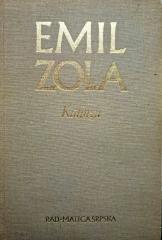
Kaljuga
Nakon pada Drugog carstva, porodica Rugon-Makar nastavlja svoje moralno posrnuće. Roman prikazuje društveno blato, korupciju, licemerje i finansijske špekulacije u Parizu s kraja 19. veka.
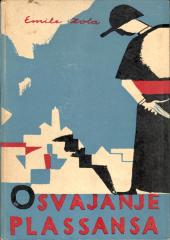
Osvajanje Plassansa
Dolaskom ambicioznog sveštenika Fožasa u provincijski Plasan počinje borba za političku i društvenu prevlast, u kojoj se prepliću verska manipulacija, porodična tragedija i težnja za moći.
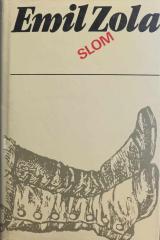
Slom
"Breakdown" is a powerful and emotional depiction of war events, but at the same time a deep reflection on human destiny and collective experience.
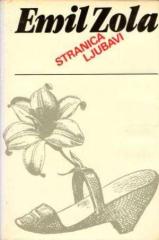
Stranica ljubavi
The novel "The Page of Love" by Émil Zola follows the life of a young widow and a doctor, who are brought together by the illness of the widow's twelve-year-old daughter.