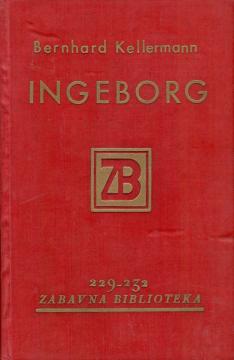
Ingeborg
Ingeborg (1906) erzählt die Geschichte der jungen, schönen und sensiblen Ingeborg, die sich unsterblich in den falschen Mann verliebt. Der Roman ist eine psychologisch tiefgründige Schilderung ihrer Liebe, ihrer Enttäuschung, ihres Leidens und ihres inner
Bernhard Kellermann (1879–1951), ein deutscher Schriftsteller und Journalist, veröffentlichte 1906 den Roman Ingeborg. Das Werk zählt zu seinen erfolgreichsten Frühwerken und gehörte in der ersten Hälfte des 20. Jahrhunderts zu den meistgelesenen Büchern Deutschlands (es erlebte in relativ kurzer Zeit über 130 Auflagen).
Der Roman ist eine intime psychologische Studie einer jungen Frau. Die Hauptfigur, Ingeborg, ist ein schönes, sensibles und idealistisches Mädchen, das sich leidenschaftlich in einen Mann verliebt, der ihr kein Glück schenken kann. Kellermann zeichnet meisterhaft ihre emotionale Entwicklung nach – von der Verzückung der ersten Liebe über die Blindheit der Verliebtheit bis hin zur schmerzhaften Konfrontation mit der Realität und der Enttäuschung. Der Roman erkundet Themen wie Liebe, Opferbereitschaft, Illusion und Reifung, wobei der Fokus auf der inneren Welt der Heldin liegt.
Der Stil ist typisch für Kellermann – lyrisch, leicht sentimental, mit reichen psychologischen Beschreibungen und feinen Darstellungen von Gefühlen. Das Werk gehört zur Tradition des deutschen psychologischen Romans des frühen 20. Jahrhunderts und ist von naturalistischen und impressionistischen Elementen geprägt. Der Autor verurteilt die Figuren nicht hart, sondern zeigt ihre Schwächen und ihre Menschlichkeit mit Verständnis.
Ingeborg ist ein klassisches Beispiel für Kellermanns Frühwerk – bevor er sich größeren sozialen und utopischen Themen zuwandte (wie im Roman Der Tunnel). Das Werk ist auch heute noch lesenswert und berührend, insbesondere für Liebhaber psychologischer Prosa mit romantischem Unterton.
One copy is available