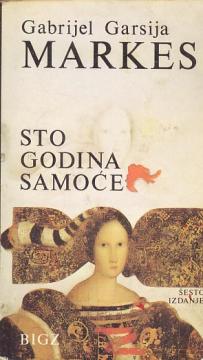
Sto godina samoće
A chronicle of seven generations of the Buendía family in the isolated village of Macondo. Through the family's rise and fall, Márquez portrays the destiny of Latin America, intertwining reality, magic, and inevitable solitude.
One Hundred Years of Solitude (1967) is a masterpiece by the Colombian Nobel laureate Gabriel García Márquez and a seminal novel of magical realism. The plot follows the Buendía family over the course of a century in the fictional village of Macondo, founded amidst untouched wilderness by the patriarch José Arcadio Buendía and his wife Úrsula Iguarán. Initially, the village exists in a state of mythical peace, but over time it is invaded by wars, modern technology, exploitative foreign companies, and political conflicts, thereby mirroring the turbulent history of all Latin America. The driving force of the narrative is the cyclical nature of history: generations of Buendías repeat the same mistakes, bear the same names, and succumb to the weight of their own passions, obsessions, and fatal solitude. Family members—from the bellicose Colonel Aureliano Buendía to the final descendants—vainly seek intimacy yet remain trapped within their own mental and emotional prisons. In the novel, fantastic elements—such as ascending into the sky, years-long rains, and prophecy—are portrayed as entirely ordinary parts of daily life. The story reaches its climax when the last Buendía deciphers the mysterious writings of the Gypsy sage Melquíades. At the moment he realizes the family's fate was written long ago, a devastating hurricane wipes Macondo off the face of the earth, confirming that lineages condemned to one hundred years of solitude do not get a second chance on earth.
One copy is available