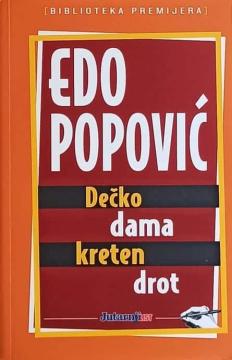
Dečko, dama, kreten, drot
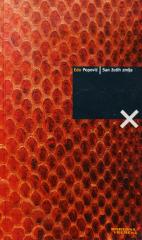
Dečko, dama, kreten, drot (2005.), završni dio trilogije započete Koncertom za tequilu i apaurin (2002.) i nastavljene Plesačicom iz Blue Bara (2004.), satirična je i melankolična priča o kriminalnom miljeu suvremene Hrvatske.
Kroz monologe i rezove, prepliću se sudbine četiri glavna lika – naslovnih "Dečka", "Dame", "Kretna" i "Drota" – simbolizirajući tragikomičnu hrvatsku stvarnost: gubitnike, izdaje i nemogućnost prilagodbe novim vremenima. Inspiriran crnom kronikom i filmovima poput Taksiste, roman kritizira mafijaške obrasce, medijski senzacionalizam i emocionalne praznine.
Dečko (Niko, bivši BBB Niko): Bivši kriminalac na uvjetnoj kazni nakon zatvora u Lepoglavi, dezorijentiran povratak u svakodnevicu otkriva promjene u prijateljstvima. Nekadašnji idealist iz osamdesetih, sada luzer-promatrač, suočava se s izdajom prijatelja Darka, koji je postao svodnik. Njegovi monolozi pune su nostalgije za izgubljenom mladosti i moralnim dilemama.
Dama (Maša, Ukrajinka, plesačica iz Blue Bara): Prostitutka koja bježi iz noćnog kluba i mijenja identitet. Njezina melankolična priča otkriva snove o boljem životu, ljubav s Folom i tragediju nepromišljenih odluka. Popović njezinom figurom pokazuje rijedak senzibilitet prema ženskoj ranjivosti u muškom svijetu nasilja.
Kreten (Darko): Nikov bivši prijatelj, sada mafijaški akter i svodnik, simbolizira potpunu transformaciju i izdaju starih vrijednosti. Od zajedničkog navijanja za De Nira do uloge antagonista, njegova sudbina završava krvavim obračunom, naglašavajući gubitak prijateljstava.
Drot (Mladen Folo, načelnik Odjela za kulturni terorizam): Intelektualac u policijskim vodama, bori se s intrigama nadređenih i medijskim manipulacijama. Zaljubljen u Mašu, postaje njezin zaštitnik i antiheroj, likvidirajući Darka motiviran ljubavlju i odvratnošću. Njegova akcija, prikazana kao kolektivna, ostavlja ga u praznini, maštajući o literaturi koja će njegovu priču učiniti besmrtnom.
Radnja kulminira u Blue Baru: Nikovo suočavanje s Darkom, Mašin bijeg i Folov osvetnički čin spajaju se u kaotični obračun. Roman završava refleksijom o razlici između života i literature, slaveći slojevite likove uhvaćene u mrežu sudbine. Popović spaja humor, ironiju i liriku, kritizirajući društvene promjene i slaveći "prekrasne luzere" osamdesetih.
Two copies are available