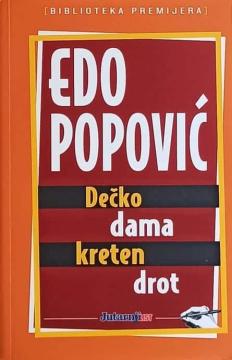
Dečko, dama, kreten, drot
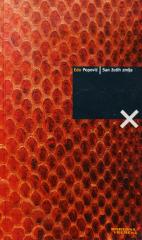
„Dečko, dama, kreten, drot“ (2005), završni deo trilogije koja je započela filmom „Tekila i Apaurin koncert“ (2002), a nastavila se filmom „Plava plesačica u baru“ (2004), je satirična i melanholična priča o kriminalnom miljeu savremene Hrvatske.
Kroz monologe i rezove, sudbine četvorice glavnih likova – naslovnog „Dečaka“, „Dame“, „Kretne“ i „Drote“ – prepliću se, simbolizujući tragikomičnu hrvatsku stvarnost: gubitnike, izdaje i nemogućnost prilagođavanja novim vremenima. Inspirisan krimićima i filmovima poput „Taksiste“, roman kritikuje mafijaške obrasce, medijski senzacionalizam i emocionalne praznine.
Dečak (Niko, bivši član BBB Niko): Bivši kriminalac na uslovnoj slobodi nakon zatvora u Lepoglavi, njegov dezorijentisani povratak u svakodnevni život otkriva promene u prijateljstvima. Bivši idealista iz osamdesetih, sada gubitnik-posmatrač, suočava se sa izdajom svog prijatelja Darka, koji je postao svodnik. Njegovi monolozi su puni nostalgije za izgubljenom mladošću i moralnih dilema.
Dama (Maša, Ukrajinka, plesačica iz Plavog bara): Prostitutka koja beži iz noćnog kluba i menja identitet. Njena melanholična priča otkriva snove o boljem životu, ljubav sa Folom i tragediju nepromišljenih odluka. Svojim likom, Popović pokazuje retku osetljivost prema ženskoj ranjivosti u muškom svetu nasilja.
Idiot (Darko): Nikov bivši prijatelj, sada mafijaški glumac i svodnik, simbolizuje potpunu transformaciju i izdaju starih vrednosti. Od obostrane podrške De Niru do uloge antagonista, njegova sudbina se završava krvavim obračunom, ističući gubitak prijateljstava.
Policajac (Mladen Folo, šef Odeljenja za kulturni terorizam): Intelektualac u policijskim snagama, bori se protiv intriga svojih pretpostavljenih i medijskih manipulacija. Zaljubljen u Mašu, postaje njen zaštitnik i antiheroj, likvidirajući Darka motivisan ljubavlju i gađenjem. Njegova akcija, predstavljena kao kolektivna, ostavlja ga u praznini, sanjajući o književnosti koja će njegovu priču učiniti besmrtnom.
Radnja kulminira u Plavom baru: Nikov sukob sa Darkom, Mašino bekstvo i Folov čin osvete spajaju se u haotičan obračun. Roman se završava razmišljanjem o razlici između života i književnosti, slaveći slojevite likove uhvaćene u mrežu sudbine. Popović kombinuje humor, ironiju i liriku, kritikujući društvene promene i slaveći „lepe gubitnike“ osamdesetih.
Dva primjerka su u ponudi