Seltene Bücher
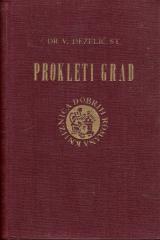
Prokleti grad: Maledictum castrum Medved
A historical novel set around Medvedgrad and Zagreb's Gradec. It depicts political intrigues, struggles for power, conflicts between nobles and citizens, and the fate of the girl Janja, a symbol of freedom and sacrifice in turbulent times.
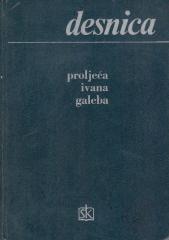
Proljeća Ivana Galeba: Igre proljeća i smrti

The novel "Spring of Ivan Galeb" by Vladan Desnica is a masterpiece of Croatian modernity. Through the reflections of a sick violinist in hospital, the author examines transience, art, childhood and the meaning of life.
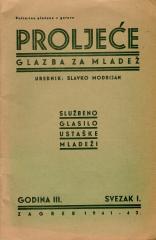
Proljeće: glazba za mladež god. III, sv. 1
Proljeće: glazba za mladež was a musical and pedagogical magazine for children and youth that acted as the official publication of the Ustaša Mladeža during the NDH, publishing sheet music, songs and educational content.
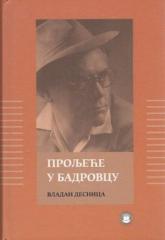
Proljeće u Badrovcu
The collection "Spring in Badrovac" (published in Belgrade in 1955 by Prosveta, reprinted in Zagreb by SKD Prosvjeta in 2019) brings together short stories written by Desnica in the 1950s, focused on a Dalmatian village in post-war chaos.
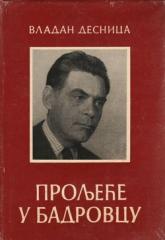
Proljeće u Badrovcu
Spring in Badrovec (1955), the first edition of a collection of short stories by Vladan Desnica. Lyrical-reflexive stories from the Dalmatian region, written by Desnica in the 1950s, focused on a Dalmatian village in post-war chaos.
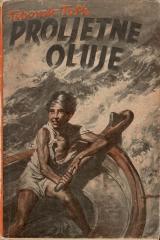
Proljetne oluje: knjiga za mužku omladinu
Katolička duhovna knjiga za mladiće o burnim proljetnim olujama mladosti, suočavanju s unutarnjim napastima, izgradnji karaktera i duhovnom sazrijevanju u teškim ratnim vremenima. Topla i ohrabrujuća poruka mladim muškarcima.
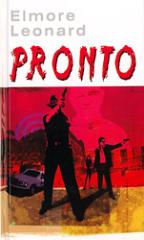
Pronto
Kratki, napeti krimi-roman pun duhovitih dijaloga i likova koji govore kao pravi ljudi, a ne kao holivudski gangsteri. Ujedno i prva velika pojava Raylana Givensa (kasnije glavni lik serije Justified).
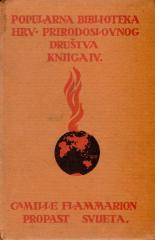
Propast svijeta
Propast svijeta prvi je dio Flammarionove vizije daleke budućnosti. Kroz znanstvene pretpostavke i filozofska razmišljanja prikazuje postupno slabljenje Zemlje i prve znakove kraja ljudske civilizacije.
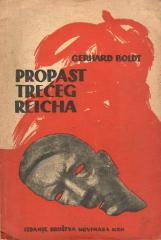
Propast Trećeg Reicha: Posljednji dani kancelarije Reicha
Dnevničko svjedočanstvo časnika s istočnog fronta i iz Berlina 1945.: raspad zapovijedanja, kaos obrane, iluzije i stvarnost zadnjih dana Trećeg Reicha, ispričano hladno, precizno, iz prve ruke.
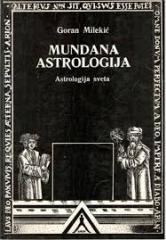
Proroci i proročanstva
Knjiga istražuje fascinantan svijet proroka i njihovih vizija budućnosti. Autor proučava povijesne ličnosti koje su imale sposobnost predviđanja događaja, kao i fenomene vezane uz proročanstva u različitim kulturama i epohama.