Temelji jezika
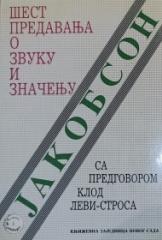
Klasičan tekst moderne fonologije i jedno od najpoznatijih dela književne teorije – fundamentalno delo koje uspostavlja teoriju distinktivnih karakteristika kao osnovu jezičkog zvučnog sistema.
Knjiga je napisana u saradnji sa američkim slavistom Morisom Haleom i predstavlja sistematizaciju činjenica moderne fonologije, razvoj teorija distinktivnih karakteristika i binarnih opozicija u najširem opsegu jezičkog fenomena.
Knjiga ima dva glavna dela: Deo I: Fonologija i fonetika – predstavlja 12 parova distinktivnih karakteristika (kasnije proširenih na više). Svaki fonem je definisan binarnim vrednostima (+/-) prema akustičnim i artikulatornim kriterijumima:
- vokalski: samoglasnik/suglasnik, kompaktan/difuzan, akutan/težak, ravan/raspršen
- konsonantski: prekinut/kontinuiran, oštar/tup, nazalan/oralni, zvučan/bezvučan
- dodatni: oštar/tup, napet/opušten, itd. Ova binarna hijerarhija (zakoni implikacije) objašnjava univerzalne obrasce u svetskim jezicima: zašto neke opozicije postoje samo ako postoje i druge, kako se foneme razvijaju kod dece i nestaju kod afazije. Primeri iz engleskog, ruskog i drugih jezika pokazuju kako se foneme razlikuju minimalnim parovima (npr. Bitter/Chitter u Njujorku).
Drugi deo: Dva aspekta jezika i dve vrste afazičnih poremećaja – Jakobson primenjuje Sosirove ose: selektivnu (paradigmatsku, sličnosti) i kombinativnu (sintagmatsku, susednost). Afazije otkrivaju suštinu jezika:
- afazija sličnosti (kontinuirana, Vernike) – problemi sa paradigmom, metaforama, leksičkim izborom.
- afazija susednosti (prekinuta, Broka) – problemi sa sintagmom, gramatikom, metonimijom. Ovo pokazuje da jezik nije samo zvuk, već struktura opozicija.
Delo je kanonsko za strukturnu fonologiju, pod uticajem semiotike, psiholingvistike i književne teorije (poetska funkcija).
Two copies are available