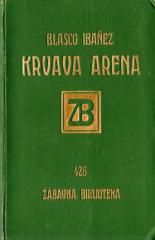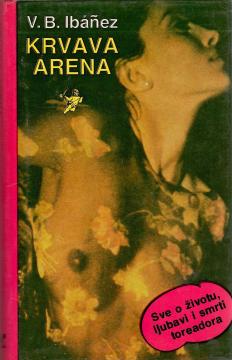
Krvava arena
Krvava arena (1908.) je naturalistički roman o usponu i padu toreadora Juana Gallarda. Siromašni mladić postaje slavni matador, ali ga uništavaju ljubav, poroci, strah i tragedije u areni – kritika španjolske borbe s bikovima i društva.
Vicente Blasco Ibáñez (1867.–1928.), španjolski naturalistički pisac, političar i republikanac, objavio je roman Krvava arena (Sangre y arena) 1908. godine. Djelo je jedno od njegovih najpoznatijih.
Roman prati život Juana Gallarda, siromašnog mladića iz sirotinjske četvrti u Sevilli, koji sanja o slavi matadora. Od dječačkih borbi s bikovima na ulicama, preko teškog učenja i prvih uspjeha u areni, Juan se uzdiže do vrha – postaje bogat, slavan i obožavan. Međutim, njegov život se raspada: brak s lijepom, ali površnom Carmen, ljubavna afera s aristokratkinjom Conchitom (koja ga zavodi i ponižava), alkohol, kocka, strah od smrti u areni i rastuća panika pred bikovima dovode do tragedije. Kulminacija su krvave borbe gdje Juan gubi hrabrost, strada i umire u areni – simboličnoj "krvavoj areni" života i španjolske kulture.
Ibáñez realistično, gotovo dokumentaristički opisuje svijet toreadora: pripreme, rituale, opasnosti, publiku, socijalne kontraste (siromaštvo vs. slava), te kritizira borbe s bikovima kao okrutnu, barbarsku tradiciju koja uništava ljude i životinje. Roman je naturalistički – sudbina likova određena je nasljeđem, okolinom i društvom, bez romantične idealizacije.
Bio je veliki hit, preveden na mnoge jezike, adaptiran u filmove (npr. Blood and Sand 1922. s Rudolphom Valentinom, 1941. s Tyroneom Powerom). U Jugoslaviji/Hrvatskoj popularan u međuratnom i poslijeratnom razdoblju kao kritika buržujskog društva i primitivnih običaja. Klasično djelo španjolske književnosti 20. stoljeća, snažno i emotivno, s fokusom na ljudsku slabost i društvenu hipokriziju.
One copy is available