Povijest religije

Dječja Biblija: Najvažnija knjiga na svijetu - Biblija ispričana tako da je razumiju i djeca
Ova knjiga, Dječja Biblija, donosi sažetu povijest čovječanstva kako je zapisana u Bibliji.
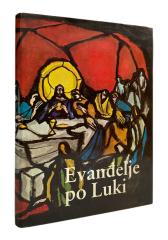
Evanđelje po Luki
Druga knjiga iz predviđenog niza četiriju evanđelja. Tekst je evanđelja s izvornika preveo Tomislav Ladan. Stvarnost evanđelja kistom i bojom interpretira akademski slikar Đuro Seder. Tu je i teološka interpretacija Lukina evanđelja Vjeke-Bože Jaraka.
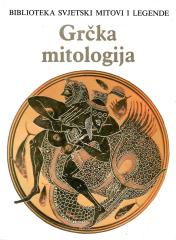
Grčka mitologija
Grčka mitologija Johna Pinseta pruža jasan i sažet prikaz bogova, heroja i mitova antičke Grčke, s naglaskom na njihovu simboliku, ulogu u društvu i utjecaj na zapadnu civilizaciju.

Ilustrirana Biblija - Novi zavjet
Priče iz Novoga zavjeta od Isusova rođenja do njegove smrti i uskrsnuća te o putovanjima apostola ispričane su jasno i živo.
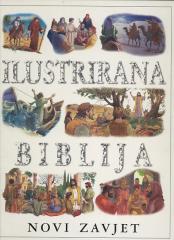
Ilustrirana Biblija: Novi zavjet
A beautifully adapted and richly illustrated edition by Victoria Parker. Through the most important New Testament stories, from Jesus' birth to his resurrection, she directs and brings the Christian message closer to children and families.
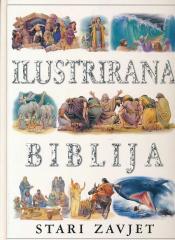
Ilustrirana Biblija: Stari zavjet
A richly illustrated and accessible edition by Victoria Parker. Through key Old Testament stories, from Creation to the prophets, it brings the religious and historical heritage closer to children and families.
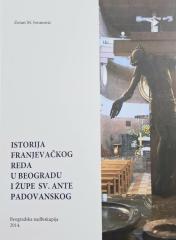
Istorija franjevačkog reda u Beogradu i župe Sv. Ante Padovanskog
The history of the Franciscan order in Belgrade and the parish of St. Anthony of Padua is the story of St. Francis of Assisi, who was called in Serbia "the living image of Jesus Christ." A book about the Franciscans, of long and enduring duration.
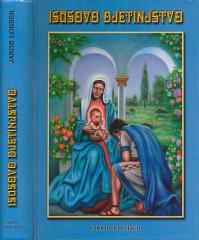
Isusovo djetinjstvo: Jakovljevo evanđelje
A mystical-apocryphal account of the early life of Jesus, written according to the revelation of Jakob Lorber. The book explains Mary's childhood, the birth of Christ, the flight into Egypt, and the miracles of the young Jesus up to the age of 12.
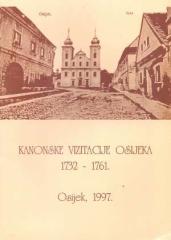
Kanonske vizitacije Osijeka 1732-1761
Church visitation records from 1732, 1754 and 1761 document the population, churches, schools and revenues of Osijek’s Tvrđa, Upper and Lower Town, and Aljmaš.
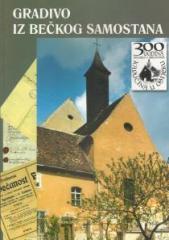
Kapucini u Osijeku: Gradivo iz bečkog kapucinskog samostana: 1702.-1919.
Archival documents preserved in Vienna trace Osijek’s Capuchins from 1702 to 1919, exploring friary life, church construction and the community’s place in the city’s history.