Miroslav Krleža
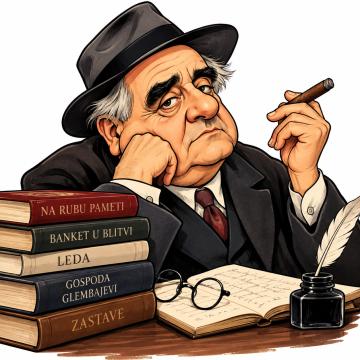
Miroslav Krleža (7. jul 1893 – 29. decembar 1981) bio je jedan od najznačajnijih hrvatskih pisaca 20. veka – pesnik, romanopisac, dramaturg, esejista i enciklopedista. Rođen je u Zagrebu, školovao se na Austrougarskoj vojnoj akademiji, ali se brzo posvetio književnosti i intelektualnoj delatnosti. Bio je snažan kritičar društvene nepravde, sitne buržoazije i političkog oportunizma, što je karakterisalo veliki deo njegove književnosti.
Njegov rad obuhvata širok spektar žanrova. Ističu se romaneskni ciklus o Glembajevima (Glembajevi, U agoniji, Leda) i epski roman Povratak Filipa Latinoviča (1932). Pisao je i eseje, dnevnike, kritike, enciklopedijske članke i pesme poput onih iz zbirke Pan.
Krležin stil karakteriše bogat rečnik, složene rečenice, intelektualna dubina, ironično distanciranje. Bio je ključna ličnost hrvatske kulture i jedan od osnivača Leksikografskog zavoda (danas Leksikografski zavod Miroslav Krleža). Uprkos političkim pritiscima, ostao je veran intelektualnoj autonomiji.
Krležina zaostavština nezaobilazna je u hrvatskom kanonu i nezaobilazna u razumevanju modernosti i istorijske sudbine Hrvatske i srednje Evrope.
Naslovi u ponudi
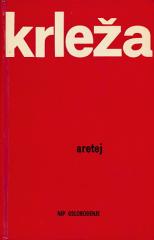
Aretej
Kroz paralelne sudbine lekara iz davnih vremena i onog savremenog, pozno dramsko delo Miroslava Krleže analizira motiv intelektualca rastrgnutog između političke represije, ratnih strahota i sopstvene savesti.
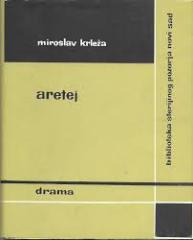
Aretej: drama
Krležina drama sa opširnim pogovorom Branka Hećimovića, biobibliografskim prilozima Slavka Batušića i fotografijama scena iz „Areteje“ u izvođenju Narodnog pozorišta Beograd.
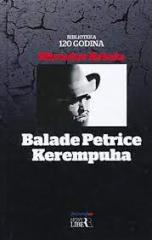
Balade Petrice Kerempuha
Najveće pesničko dostignuće Miroslava Krleže i jedno od najvažnijih dela hrvatske književnosti. Balade kombinuju satiru, ironiju i lirsko-folklorne tonove u osudi nasilja i gluposti vlasti kroz vekove.
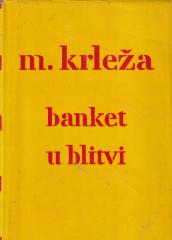
Banket u blitvi: Roman u tri knjige
Radnja je smeštena u Blitvi, fiktivnoj zemlji na severoistoku Evrope, koja je posle vekova tuđinske vladavine i političke nestabilnosti postala nezavisna država pod diktatorskom vlašću okrutnog poručnika Barutanskog.
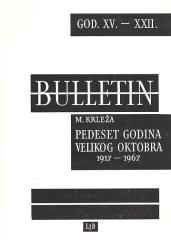
Bulletin - Pedeset godina Velikog oktobra 1917. - 1967.
U delu „Pedeset godina Velikog oktobra 1917–1967“, Miroslav Krleža piše o Oktobarskoj revoluciji iz perspektive pisca koji joj je ideološki blizak, ali koji se nikada nije slagao sa njenim pretvaranjem u sistem krutih istina.

Članci i polemike 1: Ratne teme
Zbirka Krležinih novinarskih tekstova, komentara i analiza napisanih tokom i neposredno posle Prvog svetskog rata, važnih za razumevanje njegovog intelektualnog razvoja i osnova za njegova kasnija dela.

Članci i polemike 2: Sa uredničkog stola
Zbirka Članci i polemike 2: Sa redakcijskog stola obuhvata eseje, kritike i polemičke tekstove napisane tokom Krležinog angažmana kao urednika raznih književnih časopisa, kao što su Književna republika i Pečate.
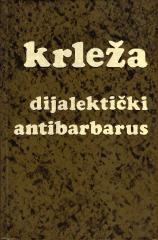
Dijalektički antibarbarus
Krležin najpoznatiji polemički tekst, u kome oštro napada dogmatski vulgarni marksizam i lošu tendencioznu književnost unutar levice, braneći umetničku slobodu i intelektualnu autonomiju. Vrhunac sukoba na književnoj levici.
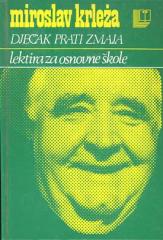
Dječak prati zmaja
„Dečak prati zmaja” je knjiga koja nas vodi na fantastično putovanje i podstiče da razmišljamo o životu i svetu na drugačiji način.
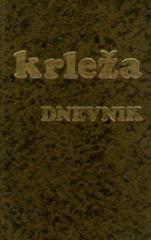
Dnevnik 1: Dnevnik 1914 - 17 (Davni dani I)
Dnevnik iz 1914–17. beleži Krležine zapise iz Prvog svetskog rata: lične dileme, pacifizam, sukob sa militarizmom Monarhije i intelektualno sazrevanje u godinama sloma starog sveta.