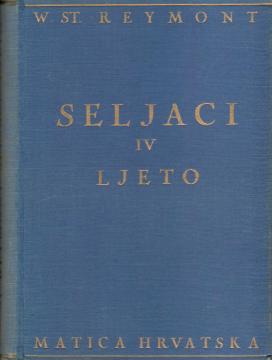
Seljaci IV: Ljeto
Seljaci IV: Ljeto završni je i najsnažniji dio epske tetralogije Seljaci. Kulminacija sukoba u selu Lipce tijekom vrućeg ljeta i žetve, drama oko Jagne, smrt Macieja Boryne i konačno zatvaranje velikog životnog kruga.
Četvrti i završni svezak monumentalne tetralogije Seljaci (Chłopi), za koju je Reymont 1924. godine dobio Nobelovu nagradu za književnost. Prijevod s poljskog, kao i kod prethodna tri dijela, napravio je Julije Benešić.
Ljeto donosi vrhunac i razrješenje svih sukoba započetih u Jeseni. Radnja se odvija u selu Lipce tijekom najvrelijeg dijela godine – vrijeme žetve, kada je selo na vrhuncu rada, napetosti i vitalnosti. Vrućina je gotovo opipljiva, a zajedno s njom rastu i ljudske strasti, mržnja i osveta.
Središnji lik ovog dijela postaje Jagna, koja zbog svoje ljepote, strasti i otvorenosti postaje žrtveno janje cijelog sela. Seljaci je, predvođeni Hankom i drugim ženama, surovo kažnjavaju i izbacuju iz zajednice. U isto vrijeme Maciej Boryna, patrijarh sela, polako umire, a njegov sin Antek konačno preuzima ulogu gazde. Time se zatvara veliki obiteljski i društveni krug.
Reymont u Ljetu postiže vrhunac svog epskog pripovijedanja. Žetva je prikazana kao gotovo ritualni, dionizijski čin – spoj rada, znoja, požude, nasilja i plodnosti. Priroda je u punom cvatu, ali i brutalna; život sela teče dalje, bez obzira na sudbine pojedinaca. Autor pokazuje izvanrednu moć u prikazivanju kolektivne psihologije – selo djeluje kao jedan organizam koji sam sebe čisti i obnavlja.
Stil je bogat, snažan i naturalistički sirov, s izuzetno živim opisima žetve, oluja, noćnih scena i ljudskih emocija. Benešićev prijevod majstorski prenosi ritam, dijalekt i poetičnost originala, čineći hrvatsko izdanje iznimno vrijednim.
Ljeto zaokružuje tetralogiju Seljaci kao jedno od najimpresivnijih djela europske književnosti 20. stoljeća. Reymont nije samo opisao poljsko selo – stvorio je univerzalnu sliku čovjeka, prirode, zajednice, rađanja i umiranja, ljubavi i mržnje, pohlepe i plemenitosti.
Ovo izdanje Matice hrvatske s Julijem Benešićem kao prevoditeljem i autorom predgovora smatra se najboljim hrvatskim prijevodom Reymontova remek-djela. Nezaobilazno djelo za sve ljubitelje epske proze, realizma i klasika svjetske književnosti.
Primerak je dostupan kao deo kompleta knjiga "Seljaci I-IV"
Pregledajte komplet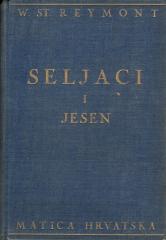
1. Seljaci I: Jesen
Prvi dio epske tetralogije o životu poljske seoske zajednice u selu Lipce. Roman prikazuje ritam seoskih radova, svakodnevicu, intrige, sukobe oko zemlje i moći te brak starog bogatog seljaka Macieja Boryne s mladom i lijepom Jagnom.
- Napuknut hrbat
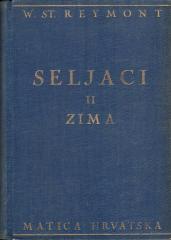
2. Seljaci II: Zima
Drugi dio epske tetralogije Seljaci. Roman prikazuje težak zimski život u selu Lipce, produbljuje sukobe unutar Borynine obitelji, strastvenu vezu Antka i Jagne te sve jače napetosti u selu. Nobelovska epopeja seljačkog života.
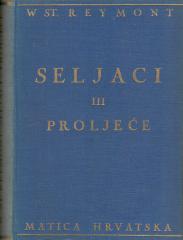
3. Seljaci III: Proljeće
Treći dio epske tetralogije Seljaci. Proljeće donosi buđenje prirode, ali i nove sukobe u selu Lipce: kulminaciju ljubavnog trokuta, obiteljske drame i društvenih napetosti. Nastavak Nobelove epopeje poljskog seljačkog života.
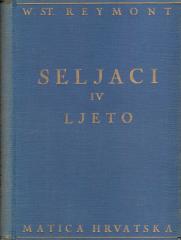
4. Seljaci IV: Ljeto
Seljaci IV: Ljeto završni je i najsnažniji dio epske tetralogije Seljaci. Kulminacija sukoba u selu Lipce tijekom vrućeg ljeta i žetve, drama oko Jagne, smrt Macieja Boryne i konačno zatvaranje velikog životnog kruga.
Jedan primerak je u ponudi