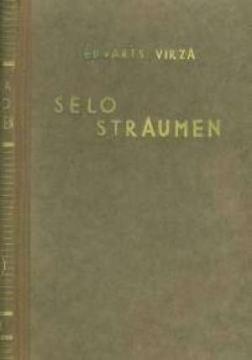
Selo Straumen: kronika lotiškog imanja
U romanu „Selo Straumen“, Edvarts Virza prikazuje idealizovani život letonskog sela kroz ciklus godišnjih doba, ističući kolektiv, tradiciju i harmoniju čoveka sa prirodom.
Edvarts Virza u svom delu Selo Straumen (1933) stvara jedno od najprepoznatljivijih dela letonske međuratne književnosti, koje se može shvatiti kao poetska hronika idealizovanog seoskog života.
Za čitaoca koji nije upoznat sa letonskom književnom tradicijom, važno je naglasiti da Straumeni ne funkcionišu kao klasičan roman sa jednim protagonistom i jasnom radnjom, već kao lirsko-epski prikaz seoske zajednice. Delo se često opisuje kao seoski ep, jer fokus nije na pojedincu već na kolektivu – porodici i seljacima koji žive u harmoniji sa prirodnim ciklusima.
Radnja je organizovana oko smene godišnjih doba, koja određuje ritam života: proleće donosi početak rada i obnove, leto intenzivan poljoprivredni ciklus, jesen žetvu i osećaj ispunjenosti, a zima povlačenje u zatvoreni, porodični prostor i razmišljanje. Ovo gradi ideju stabilnog, gotovo arhetipskog poretka u kome su čovek, zemlja i tradicija međusobno povezani.
U širem kulturnom kontekstu, delo je nastalo u periodu kada je letonska književnost snažno afirmisala nacionalni identitet i ruralne vrednosti, često idealizujući selo kao nosioca moralne i kulturne stabilnosti. Selo Straumen se stoga čita ne samo kao prikaz seoskog života, već i kao simbolička konstrukcija nacionalnog prostora i kolektivnog pamćenja.
Stilski, Virza koristi veoma stilizovan, bogat i ritmičan jezik, blizak poeziji, koji svakodnevnim seoskim poslovima daje monumentalnu, gotovo mitsku dimenziju. Upravo ta kombinacija realizma detalja i idealizacije čini delo jednim od kanonskih tekstova letonske književnosti 20. veka.
Jedan primerak je u ponudi
- Tragovi patine