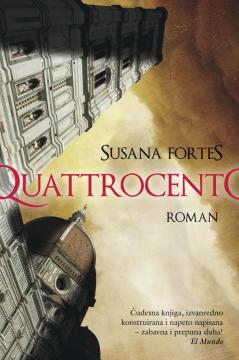
Quattrocento
Eine doppelte Geschichte: Florenz 1478, die Pazzi-Verschwörung gegen die Medici. Im 21. Jahrhundert untersucht die Studentin Ana Sotomayor den Renaissance-Maler Pierpaolo Masoni und sein rätselhaftes Gemälde – und enthüllt die verborgene Wahrheit über die
Quattrocento von Susana Fortes (geb. 1956, galicische Schriftstellerin, bekannt für El amante albanés) ist eine Mischung aus historischem Roman, Thriller und Kunstfiktion. Der Roman spielt in zwei Zeitebenen:
Im Florenz des 15. Jahrhunderts (der Renaissancezeit Botticellis und Leonardos) beschreibt er die berühmte Pazzi-Verschwörung vom 26. April 1478 – die Ermordung der Medici-Brüder in der Kathedrale Santa Maria del Fiore. Giuliano de’ Medici wird getötet, Lorenzo überlebt, und Florenz versinkt in Rache, Folter und Verfolgung. Papst Sixtus IV., die Familie Pazzi und König Ferdinand von Neapel ziehen im Hintergrund die Fäden, um die Medici-Herrschaft zu stürzen.
Im gegenwärtigen Teil (21. Jahrhundert) schreibt die junge Doktorandin Ana Sotomayor ihre Dissertation über den Renaissance-Maler Pierpaolo Masoni, einen weniger bekannten Künstler. Beim Studium seiner Notizbücher und des rätselhaften Gemäldes entdeckt Ana, dass Masoni nicht nur Maler war – er könnte ein wichtiger Zeuge oder gar Beteiligter einer Verschwörung gewesen sein, und sein Werk birgt ein Geheimnis, das die offizielle Geschichtsschreibung verändert. Je tiefer sie gräbt, desto mehr wird ihr bewusst, dass die Entdeckung gefährliche Folgen im heutigen Florenz haben könnte – vielleicht sogar ihr Leben.
Fortes verwendet einen ähnlichen Stil wie Dan Brown (den er im Text jedoch als „modernen Aberglauben“ kritisiert), mit einem Schwerpunkt auf historischer Genauigkeit, künstlerischer Detailtreue, politischer Intrige und Spannung. Die beiden Handlungsstränge verlaufen parallel und bauen die Spannung durch Enthüllungen, Geheimnisse und moralische Dilemmata auf. Die Kritiken sind geteilt: Einige loben den Ehrgeiz und das florentinische Setting, andere kritisieren die übertriebenen Wendungen und die wirkungslosen „Tschechowschen Gewehre“.
Two copies are available