Neisplakani
Angeboten wird ein Exemplar

Angeboten wird ein Exemplar
Interessieren Sie sich für ein anderes Buch? Sie können das Angebot über unsere Suchmaschine suchen und finden oder Bücher nach Kategorien durchsuchen.
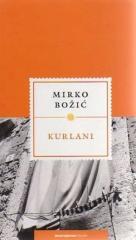
Der Nachkriegsroman, der sogenannte zavičajne proze, erschienen 1952, die überarbeitete Fassung stammt aus dem Jahr 1956, ist der erste Teil der „Kurlan-Trilogie“ (gefolgt von „Neisplakani“, 1955 und „Körper und Geister“, 1981) des kroatischen Dramatikers
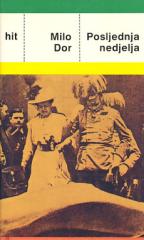
The Last Sunday of Mila Dora is a historical novel about the Sarajevo assassination of 1914. Through the investigation of Judge Leo Pfeffer, it depicts the events that led to the assassination and the outbreak of World War I.
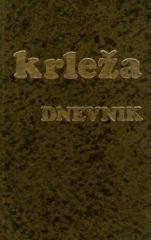
The 1914–17 diary records Krleža's writings from the First World War: personal dilemmas, pacifism, conflict with the militarism of the Monarchy, and intellectual maturation in the years of the collapse of the old world.
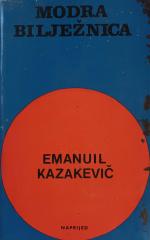
The novel depicts the last days of Vladimir Ilyich Lenin on the eve of the October Revolution. Through his thoughts and actions, it depicts the struggle for social change.
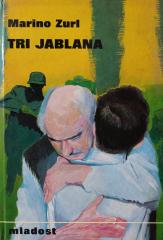
Moving stories of children from Kozara, families separated by war and the search for lost identity. Marino Zurl combines documentary testimony with accounts of memory, belonging and homecoming.