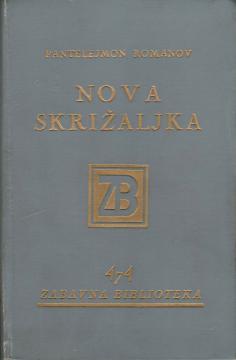
Nova skrižaljka
Nova skrižaljka vrijedno je svjedočanstvo o ruskom društvu u turbulentnom razdoblju nakon revolucije – iskreno, ponekad kritički, a uvijek zanimljivo i čitljivo. Danas se cijeni kao dobar primjer ruske proze 1920-ih godina.
Pantelejmon Romanov (1884.–1938.) bio je popularni ruski književnik sovjetskog razdoblja, poznat po realističkim prikazima svakodnevnog života u Rusiji nakon revolucije. Nova skrižaljka jedan je od njegovih najčitanijih romana u Jugoslaviji između dva rata.
Radnja romana prati običan sovjetski građanski život u 1920-ima – vrijeme NEP-a (Nove ekonomske politike) i početka staljinističkih promjena. Autor otvoreno i bez idealizacije prikazuje kako revolucija mijenja odnose među ljudima, osobito u pitanjima ljubavi, braka, obitelji i seksualne moralnosti.
Roman se bavi sukobom stare i nove etike: tradicionalnih vrijednosti nasuprot „slobodne ljubavi“, kolektivizma i individualnih želja. „Skrižaljka“ (skrižalj) u naslovu ima biblijsku konotaciju — aludira na Mojsijeve ploče (Deset zapovijedi), tj. na „nove zapovijedi“ ili novi moralni kodeks u sovjetskom društvu.
Romanov piše jednostavnim, realističkim stilom, s naglaskom na psihologiju likova i svakodnevne drame. Knjiga je u svoje vrijeme izazvala zanimanje jer je pokazivala stvarne probleme sovjetskog društva – siromaštvo, birokraciju, promjene u odnosima spolova i teškoće prilagodbe novom sustavu – bez pretjerane propagande.
One copy is available