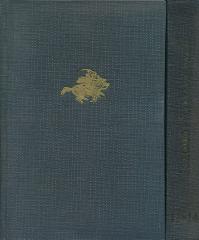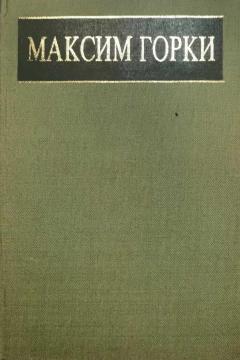
Mati / Gradić Okurov

Mati / Gradić Okurov

Maksim Gorki

The novel Mati talks about awakening the consciousness of the oppressed and exploited poor population of imperial Russia, and the rights to a free and dignified life.

The plot focuses on the illegal struggle of factory workers and socialist revolutionaries. The novel describes life in the small town of Okurov and the themes of awakening awareness and fighting for rights.

Prijevod
Marko Vidojković, Iso Velikanović
Urednik
Milorad Đurić
Dimenzije
21 x 14,5 cm
Broj strana
474
Nakladnik
Srpska književna zadruga (SKZ), Beograd, 1977.
 
Tiraž: 4.000 primjeraka
 
Ćirilica. Tvrde korice.
Jezik: Srpski.

Nema primjeraka u ponudi

Poslednji primjerak je nedavno prodan.
 

Zanima Vas i neka druga knjiga? Možete pretražiti našu ponudu pomoću tražilice ili prelistati knjige po kategorijama.

Možda će Vas zanimati i ovi naslovi

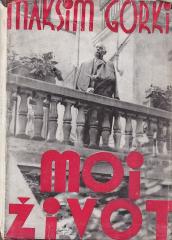
Moji univerziteti

Moji univerziteti

Maksim Gorki
Rad, 1959.
Srpski. Latinica. Broširano.
0,99
Mati

Mati

Maksim Gorki

Maxim Gorky's novel "Mother" was published in 1906 and is one of the key works of Russian social realism. The work depicts the awakening of the working class in Russia through characters and events that emphasize social injustices and the need for revolut

Glas rada, 1950.
Hrvatski. Latinica. Tvrde korice s ovitkom.
4,36
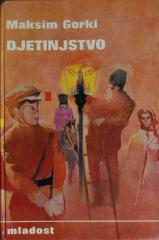
Djetinjstvo

Djetinjstvo

Maksim Gorki
Mladost, 1982.
Hrvatski. Latinica. Tvrde korice.
2,99 - 3,98
Tri mušketira 1-2

Tri mušketira 1-2

Alexandre Dumas

Dumasova verzija priče prikazuje avanture d’Artagnana i njegovih prijatelja od 1625 do 1628.

Epoha, 1966.
Hrvatski. Latinica. Tvrde korice s ovitkom.
Knjiga se sastoji od dva toma
9,48
Štefica Cvek u raljama života

Štefica Cvek u raljama života

Dubravka Ugrešić

Do you like "lovelies"? Whatever you think about them, you'll enjoy this superb pastiche of trivial romance novels.

Mladinska knjiga, 1990.
Hrvatski. Latinica. Tvrde korice s ovitkom.
4,94
Usta puna zemlje

Usta puna zemlje

Branimir Šćepanović

The novel "Usta puna zemlje" (1970), the masterpiece of the Serbian writer Branimir Šćepanović, is a psychologically in-depth explorer of the limits of the human soul, solitude and existential freedom, reminiscent of Kafka and Camus.

BIGZ, 1987.
Srpski. Latinica. Broširano.
3,98