Miroslav Krleža
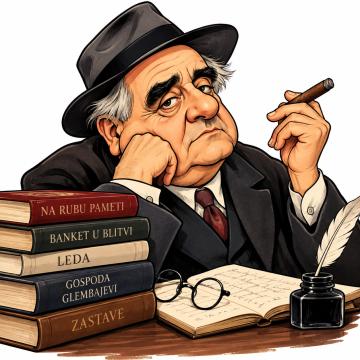
Miroslav Krleža (7. Juli 1893 – 29. Dezember 1981) war einer der bedeutendsten kroatischen Schriftsteller des 20. Jahrhunderts – ein Dichter, Romanautor, Dramatiker, Essayist und Enzyklopädist. Er wurde in Zagreb geboren und besuchte die österreichisch-ungarische Militärakademie, widmete sich jedoch schnell der Literatur und intellektuellen Aktivitäten. Er war ein scharfer Kritiker sozialer Ungerechtigkeit, Kleinbürgertums und politischen Opportunismus, die einen Großteil seiner Literatur kennzeichneten.
Sein Werk umfasst ein breites Spektrum an Genres. Bemerkenswert sind der Romanzyklus über die Glembays (Die Glembays, In Agonie, Leda) und der epische Roman Die Rückkehr von Filip Latinovicz (1932). Er schrieb auch Essays, Tagebücher, Kritiken, enzyklopädische Artikel und Gedichte, beispielsweise die aus der Sammlung Pan.
Krležas Stil zeichnet sich durch einen reichen Wortschatz, komplexe Sätze, intellektuelle Tiefe und ironische Distanz aus. Er war eine Schlüsselfigur der kroatischen Kultur und einer der Gründer des Lexikografischen Instituts (heute Lexikografisches Institut Miroslav Krleža). Trotz politischem Druck blieb er seiner intellektuellen Autonomie treu.
Krležas Erbe ist aus dem kroatischen Kanon nicht wegzudenken und unverzichtbar für das Verständnis der Moderne und des historischen Schicksals Kroatiens und Mitteleuropas.
Titel im Angebot
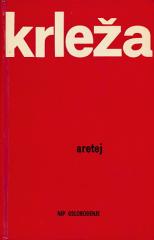
Aretej
Anhand der parallelen Schicksale eines antiken und eines modernen Arztes seziert Miroslav Krležas Spätwerk das Motiv des Intellektuellen, der zwischen politischer Unterdrückung, den Schrecken des Krieges und seinem eigenen Gewissen gefangen ist.
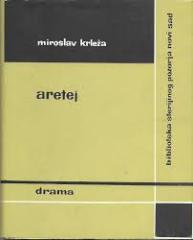
Aretej: drama
Krležas Drama mit einem ausführlichen Nachwort von Branko Hećimović, biobibliografischen Beiträgen von Slavko Batušić und Fotos von Szenen aus „Areteja“, aufgeführt vom Nationaltheater Belgrad.
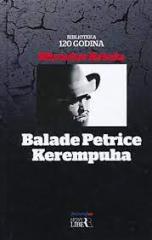
Balade Petrice Kerempuha
Miroslav Krleža's greatest poetic achievement and one of the most important works of Croatian literature. The ballads combine satire, irony, and lyrical-folkloric tones in a condemnation of violence and stupidity of government throughout the centuries.
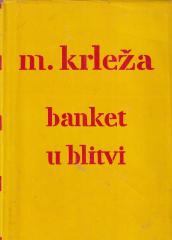
Banket u blitvi: Roman u tri knjige
The plot is set in Blitva, a fictional country in northeastern Europe, which after centuries of foreign rule and political instability became an independent state under the dictatorial rule of the cruel Lieutenant Barutanski.
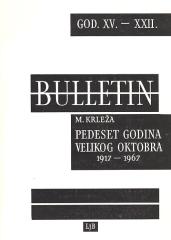
Bulletin - Pedeset godina Velikog oktobra 1917. - 1967.
In “Fifty Years of the Great October 1917–1967,” Miroslav Krleža writes about the October Revolution from the perspective of a writer who is ideologically close to it, but who never agreed with its transformation into a system of rigid truths.

Članci i polemike 1: Ratne teme
A collection of Krleža's journalistic texts, commentaries and analyses written during and immediately after World War I, important for understanding his intellectual development and the basis for his later works.
Članci i polemike 2: Sa uredničkog stola
Zbirka Članci i polemike 2: Sa redakcijskog stola obuhvata eseje, kritike i polemičke tekstove napisane tokom Krležinog angažmana kao urednika raznih književnih časopisa, kao što su Književna republika i Pečate.
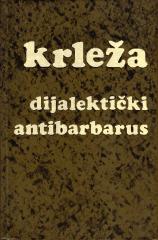
Dijalektički antibarbarus
Krleža's most famous polemical text, in which he sharply attacks dogmatic vulgar Marxism and bad tendentious literature within the left, defending artistic freedom and intellectual autonomy. The culmination of the conflict on the literary left.
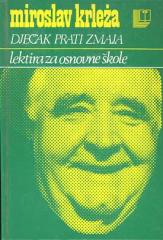
Dječak prati zmaja
"The Boy Follows the Dragon" is a book that takes us on a fantastic journey and encourages us to think about life and the world in a different way.
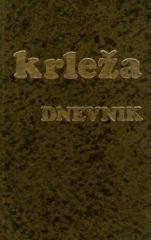
Dnevnik 1: Dnevnik 1914 - 17 (Davni dani I)
The 1914–17 diary records Krleža's writings from the First World War: personal dilemmas, pacifism, conflict with the militarism of the Monarchy, and intellectual maturation in the years of the collapse of the old world.