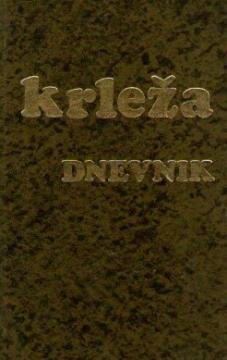
Dnevnik 1: Dnevnik 1914 - 17 (Davni dani I)
Das Tagebuch aus den Jahren 1914–17 dokumentiert Krležas Schriften aus der Zeit des Ersten Weltkriegs: persönliche Dilemmata, Pazifismus, Konflikte mit dem Militarismus der Monarchie und intellektuelle Reifung in den Jahren des Zusammenbruchs der alten We
Tagebuch 1914–17 (Davni dani I) ist einer der wichtigsten autobiografischen und dokumentarischen Texte von Miroslav Krleža, verfasst in den dramatischsten Jahren seines Lebens – während des Ersten Weltkriegs. Es ist eine intime Chronik des Zusammenbruchs einer Ära und der Reifung eines jungen Intellektuellen angesichts der Brutalität des Militarismus und der Sinnlosigkeit der österreichisch-ungarischen Kriegsmaschinerie.
Krleža, damals ein junger Kadett, schildert seine Erlebnisse in der Militärschule, an der Front und im Alltag mit der militärischen Disziplin, die er verachtet. Das Tagebuch drückt einen starken Widerstand gegen die bestehende Ordnung aus: gegen nationalistischen Pathos, blinden Gehorsam und ideologische Konstrukte, die Massenleiden rechtfertigen. Seine pazifistische, antimilitaristische Haltung nimmt in kurzen, prägnanten, nervösen Einträgen Gestalt an, in denen sich persönliche Ängste, intellektuelle Rebellion und tiefes Misstrauen gegenüber der Erwachsenenwelt, die junge Menschen in den Tod schickt, miteinander verweben.
Neben der politischen und moralischen Dimension offenbart das Tagebuch auch ein inneres Drama: Einsamkeit, seelische Zerrissenheit, Ängste und die ersten Anzeichen einer literarischen Berufung. Krleža notiert Gedanken über Kunst, Philosophie und Identität, oft in sprunghaften Fragmenten, die dem Rhythmus des Kriegschaos folgen. Diese Einträge kündigen die Themen und den Stil an, die später sein gesamtes Werk prägen sollten: eine Kritik an kleinbürgerlicher Ethik, Misstrauen gegenüber „großen Wahrheiten“, eine Faszination für menschliches Leid und Verachtung für die Rhetorik der Macht.
Gleichzeitig bietet das Tagebuch einen äußerst wichtigen historischen Einblick. Durch Krležas Augen sehen wir die Atmosphäre des Zusammenbruchs der Monarchie: Hungersnot, demoralisierte Soldaten, bürokratische Grausamkeit, aber auch intellektuelle Kreise, die versuchen, über den nationalen Rahmen hinauszudenken. Dieses Aufeinandertreffen von Realität und Reflexion schafft einen spannungsgeladenen Text – zugleich Zeitdokument und emotional-philosophisches Bekenntnis.
Das Tagebuch 1914–17 stellt somit den Ausgangspunkt von Krležas Werk dar: ein Buch, in dem seine Weltanschauung, sein Stil und sein ethischer Horizont geprägt wurden, geschrieben in den Jahren, als die alte Welt zusammenbrach und die neue noch keine klaren Konturen hatte.
Angeboten wird ein Exemplar