Francuska književnost
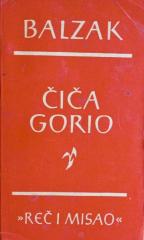
Čiča Gorio

Čiča Gorio je priča o starom ratnom profiteru Goriou i njegovim ćerkama, koje ga, nakon što ga opljačkaju do kože, ostavljaju da umre u samoći i bedi pansiona Vaker, priča koja se danas može čitati na više nivoa.
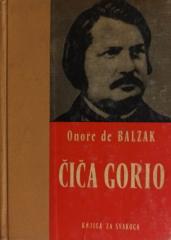
Čiča Gorio
Čiča Gorio je priča o starom ratnom profiteru Goriou i njegovim ćerkama, koje ga, nakon što ga opljačkaju do kože, ostavljaju da umre u samoći i bedi pansiona Vaker, priča koja se danas može čitati na više nivoa.
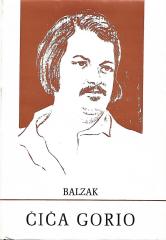
Čiča Gorio
Čiča Gorio je priča o starom ratnom profiteru Goriou i njegovim ćerkama, koje ga, nakon što ga opljačkaju do kože, ostavljaju da umre u samoći i bedi pansiona Vaker, priča koja se danas može čitati na više nivoa.
Čiča Gorio
Čiča Gorio je priča o starom ratnom profiteru Goriou i njegovim ćerkama, koje ga, nakon što ga opljačkaju do kože, ostavljaju da umre u samoći i bedi pansiona Vaker, priča koja se danas može čitati na više nivoa.
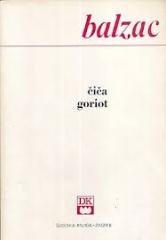
Čiča Goriot
„Čiča Gorio“ je jedan od najpoznatijih i najvažnijih romana Onorea de Balzaka, objavljen 1835. godine. Deo je njegovog obimnog ciklusa Ljudska komedija (La Comédie humaine) i smatra se možda najuspešnijim delom u tom ciklusu.
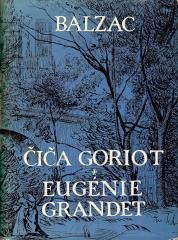
Čiča Goriot / Eugenie Grandet
Zajedno, Čiča Gorio i Eženi Grande pružaju Balzakov snažan prikaz moći novca, porodičnih odnosa i društvenih ambicija, otkrivajući kako pohlepa, ljubav i žrtva oblikuju ljudske sudbine.
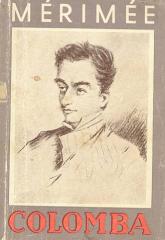
Colomba

Novela Prospera Merimea, objavljena 1840. godine, smeštena je na Korzici i istražuje teme osvete, časti i sukoba između tradicionalnog i modernog sveta. Novela kulminira tragičnim sukobom, gde se prepliću ljubav, dužnost i nasilje.
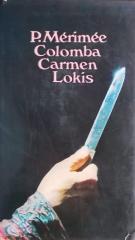
Colomba / Carmen / Lokis
U romanima „Kolomba“, „Karmen“ i „Lokis“, Prosper Merime prikazuje sukob strasti, tradicije i razuma, istražujući osvetu, ljubav, nasilje i tamnu stranu ljudske prirode.
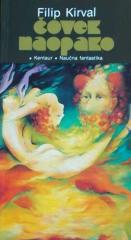
Čovek naopako
Francuski pisac Filip Kirval i staknuti je predstavnik moderne struje naučne fantastike u svojoj zemlji. Autor dvanaestak romana, Kirval je relativno rano kao svoju omiljenu temu otkrio pretpostavku o postojanju bezbrojnih »paralelnih svemira».
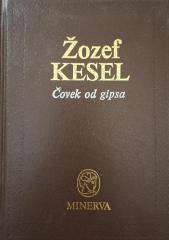
Čovek od gipsa
Roman, čiji je originalni naslov „L'Homme de platre“ (Čovek od gipsa), istražuje složene ljudske sudbine kroz priču o protagonistu čiji život simbolično odražava krhkost i ranjivost, poput gipsa.
Literature
- Adventure novel
- Albanian literature
- American literature
- Anthology
- Ancient literature
- Aphorisms and jokes
- Arabic literature
- Autobiographies and Memoirs
- Bosnian literature
- Epistolary literature
- British literature
- Bulgarian literature
- Chinese literature
- German literature
- Documentary literature
- Movie Script
- A war novel
- A philosophical novel
- Epic Fantasy
- Epic literature
- Erotic Novels
- Essays and diaries
- Family novel
- Fantastic literature
- Francuska književnost
- Poems in prose
- History of literature
- Short Stories
- Greek literature
- Hispanic American literature
- Historical novel
- Horror/Gothic
- Humor and Satire
- Indian literature
- Iranian literature
- Irish literature
- Italian literature
- Japanese literature
- Jewish literature
- Comedy
- Detective Stories
- Croatian literature
- Short stories
- Latin literature
- Romance Novels
- Teen Novels
- Literary criticism
- Macedonian literature
- Montenegrin literature
- Moral and didactic literature
- Dutch literature
- Novele
- Eastern European literature
- Poetry
- Polish literature
- Portuguese literature
- Psychological novel
- Romanian literature
- Russian literature
- School reading
- Science Fiction
- Serbian literature
- Scandinavian literature
- Slovak literature
- Slovenian literature
- Social literature
- Spanish literature
- Proverbs and maxims
- Sayings, thoughts, aphorisms, proverbs
- Plays
- Literary Theory
- Thriller
- Tragedy
- Czech literature
- Turkish literature
- Ukrainian literature
- Hungarian literature
- Folk literature
- Summaries and adaptations of literary works