Književne kritike
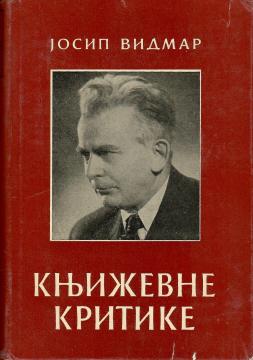
Josip Vidmar's Literary Criticisms is a selection of the author's essays and criticisms on Slovenian literature – from Franc Prešeren to writers of the first half of the twentieth century.
Literary Criticisms by Josip Vidmar is the first edition in Serbo-Croatian, published in 1955 in Belgrade by the publisher Prosvet, in the prestigious Brazde Library (a library of contemporary Yugoslav writers). This edition represents a selection of Vidmar's most important criticisms and essays on Slovenian literature and is considered an antiquarian rarity among collectors of Yugoslav essays.
Vidmar (Ljubljana, 1895–1992) was a leading Slovenian literary critic, essayist, translator and cultural activist – academic, participant in the National Liberation War and long-time director of the Drama of the Slovenian National Theatre. His critical style is characterized by astuteness, high aesthetic criteria, analytical precision and the ability to combine aesthetic evaluation with historical and cultural context. He is often considered one of the greatest Slovenian critics, along with Fran Levstik.
The book includes criticism and essays on Slovenian writers from Franco Prešeren (a central figure in Slovenian literature) through realists and modernists of the 19th and 20th centuries (e.g. Fran Levstik, Ivan Cankar, Oton Župančič, Srečko Kosovel, etc.) to contemporary authors of the 1940s and 1950s. Vidmar traces the development of Slovenian literature, highlights key values, influences and artistic achievements, with critical assessments that often influenced the canon. His analyses of Prešeren, Cankar and other classics are particularly appreciated.
This edition follows Vidmar's Slovenian collections (Literary criticism, DZS 1951, etc.) and serves as an important bridge between Slovenian and other Yugoslav literatures in the post-war period. The criticisms reflect the author's deep knowledge of European literature and philosophy, and his style is clear, elegant and well-argued. The book is important not only as a survey of Slovenian literature, but also as an example of the high level of Yugoslav essayism and comparative criticism in the mid-20th century.
One copy is available